Radio resistance
I came across this poem by Leonard Cohen lately, and it has stayed in my head for longer than usual.
Take a long time with your anger, sleepy head.
Don't waste it in riots.
Don't tangle it with ideas.
The Devil won't let me speak, will only let me hint that you are a slave, your misery a deliberate policy of those in whose thrall you suffer, and who are sustained by your misfortune.
The atrocities over there, the interior paralysis over here--Pleased with the better deal?
You are clamped down.
You are being bred for pain.
The Devil ties my tongue.
I'm speaking to you,
'friend of my scribbled life'.
You have been conquered by those who know how to conquer invisibly.
The curtains move so beautifully, lace curtains of some sweet old intrigue: the Devil tempting me
to turn away from alarming you.
So I must say it quickly.
Whoever is in your life, those who harm you, those who help you; those whom you know
and those whom you do not know --let them off the hook, help them off the hook.
Recognize the hook.
You are listening to Radio Resistance.
Leonard Cohen, S.O.S
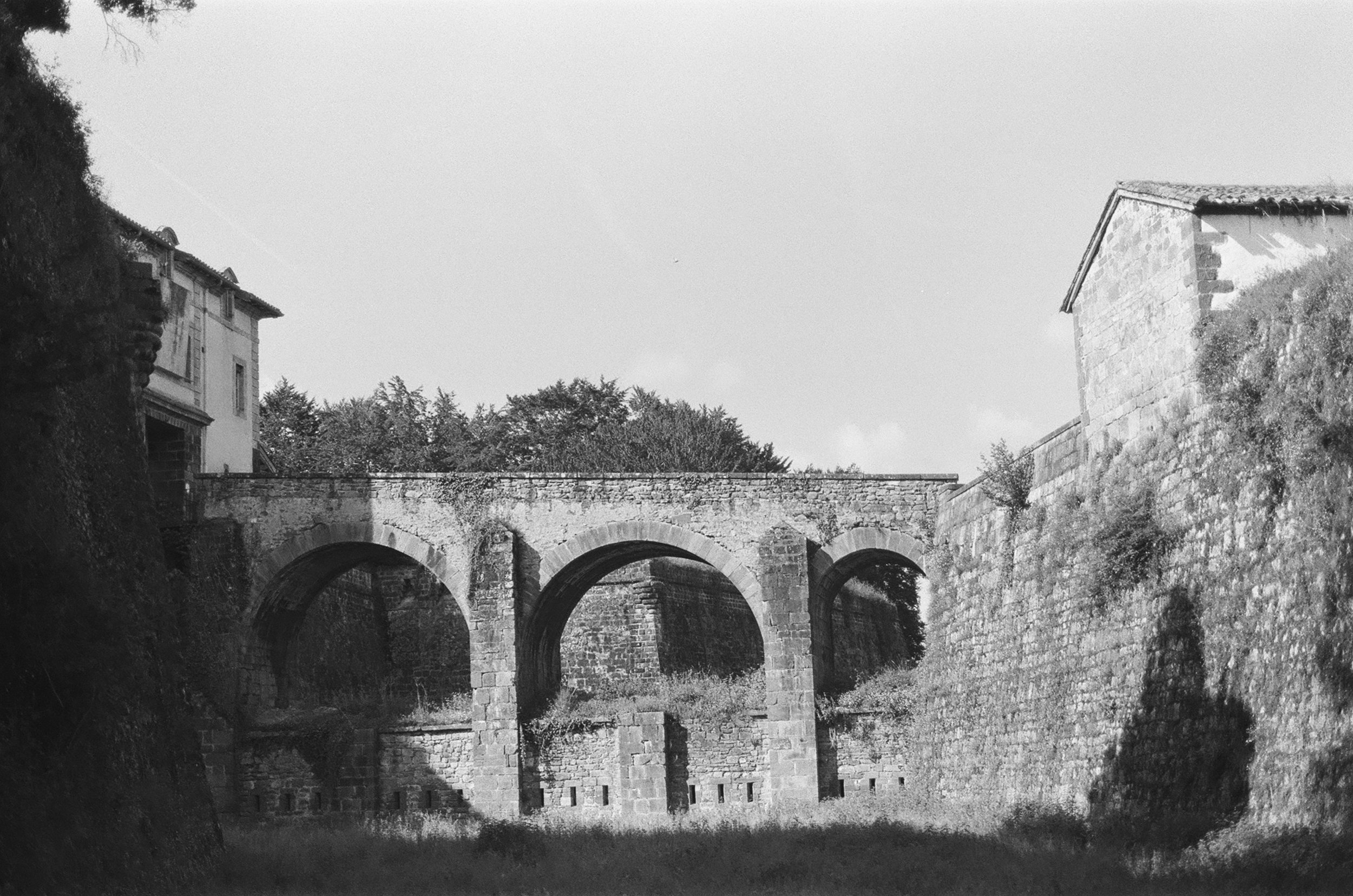
Thresholds and portals
Midway in our life’s journey, I went astray / from the straight road and woke to find myself / alone in a dark wood.

Midway in our life’s journey, I went astray
from the straight road and woke to find myself
alone in a dark wood.
The first allegory of Dante’s Inferno. He was 34 when he wrote it. Unsurprisingly, like every coming of age story, I found myself in the woods, lost and paralysed by fear. After all, for the last few decades, there had always been some sort of signpost indicating what I had to do next - a methodical approach to life that would suffer no fools. I felt the call of the wild and unknown, the forest path, but that meant deviating from the straight road with a visible and picturesque horizon.
I had everything that my early-twenties self dreamt of, yet every night for an entire year, an unexplainable emptiness engulfed me. I rang my therapist, asking her “what’s wrong with me?” I worked hard during the sessions and outside the sessions - reading, thinking and journaling like it was the end of the world - a countdown timer ticking louder in the background as the months passed. 3 months, no answer, 6 months, still nothing.
But funnily, I just needed time. Time, sinking its fingers into my life like dough and kneading continuously until truth was ready to be seen. I surrendered into the ‘not knowing’ and flowed clumsily.
It was clear that I cannot will myself into an answer, things that matter reveal themselves slowly. In hindsight, this gradual unfolding helped me grow in my capacity to be honest with myself.
I created a lot of space to be with myself. I see now that there are no right or wrong choices, only what is true and choosing what is true is difficult - forget about measuring every choice against a cost-benefit analysis, and pros and cons list, or seeking advice from others. No one can hear that small voice but yourself, and choosing to honour it always leads one down the untrodden forest path, where I took my first step on shaky grounds, limbs caving into each other, my mind still playing catch up. I took a short trip (photos below) to acquaint myself with newly found bearings. A cycle of death and rebirth. Not just that day, but every single day. Learning and unlearning, seeing and unseeing, since instinct is first in this new landscape.
Gradually I began to develop an intimacy with myself, learning to listen to that quiet tune and nurturing it with so much grace and patience like learning how to walk or a new language. I am a child again. Gladly a fool - falling and scrapping my knees - slightly bruised and smiling.
I still don’t know much at all, certainties and uncertainties both resting spaciously on my open palms. A gentle breeze arrives, the forest path has led to a vast expansive clearing. I tug at the quivering strings of not-knowing, trusting that its unraveling connects me to something larger than myself and more mysterious than I ever imagined.
2 poems below to christen crossing the threshold into another portal:
Stand still. The trees ahead and bushes beside you
Are not lost. Wherever you are is called Here,
And you must treat it as a powerful stranger,
Must ask permission to know it and be known.
The forest breathes. Listen. It answers,
I have made this place around you.
If you leave it, you may come back again, saying Here.
No two trees are the same to Raven.
No two branches are the same to Wren.
If what a tree or a bush does is lost on you,
You are surely lost. Stand still. The forest knows
Where you are. You must let it find you.
- David Wagoner, “Lost”
There are no rules now.
You who bore me, taught me, raised me, Mother, Father, friends, lovers,
You are my brothers and sisters now.
All that you taught me to help me in life
Is no longer true, unless I find it so.
Your truths for you, mine for me.
But I, being some part child still,
Grieve for the missing parents to be no more;
Nor to be a parent myself.
No longer even a child of God but co-creator.
This is frightening.
This is glorious.
- Sarah Bishop

B&W | Life itself
B&W - gritty, overexposed, underexposed, blank rolls, unfocused, misaligned, light and shadow - life itself.
I shot my first B&W roll with the intention of putting together a series titled “The Loneliness of Everyday Objects”. Embarrassed, I used the word “solitude” initially.
Then I realised that it wasn’t loneliness, that I felt compelled to explore but love and life.
Everything in life nudges us towards cultivating a more perfect form of loving. Yet our clumsy ways, continuous fumbling and misplaced efforting affirms our humanity. It isn’t pain - but the invisibility of modern day existence that terrifies me.
How do you know a thing, apart from its name? And can a thing be truly known, if we are constantly projecting and perceiving. Besides we are always becoming - human nature isn’t categorical but a series of choices we make under the impression of free will and beneath a larger tapestry that is destiny.
Love is the strive for clear sight, an impossible task that we attempt anyway. Here we find an intimacy more precious than perfection.
Individuals and communities standing unflinched in each other’s mess. In the presence of loving attention, as stealthily as it arrived, the loneliness of everyday objects lifts as quietly and momentously like morning fog.
since feeling is first
who pays any attention
to the syntax of things
will never wholly kiss you;
wholly to be a fool
while Spring is in the world
my blood approves,
and kisses are a better fate
than wisdom
lady i swear by all the flowers. Don't cry
- the best gesture of my brain is less than
your eyelids' flutter which says
we are for each other: then
laugh, leaning back in my arms
for life's not a paragraph
and death i think is no parenthesis
- ee cummings
Mono no aware
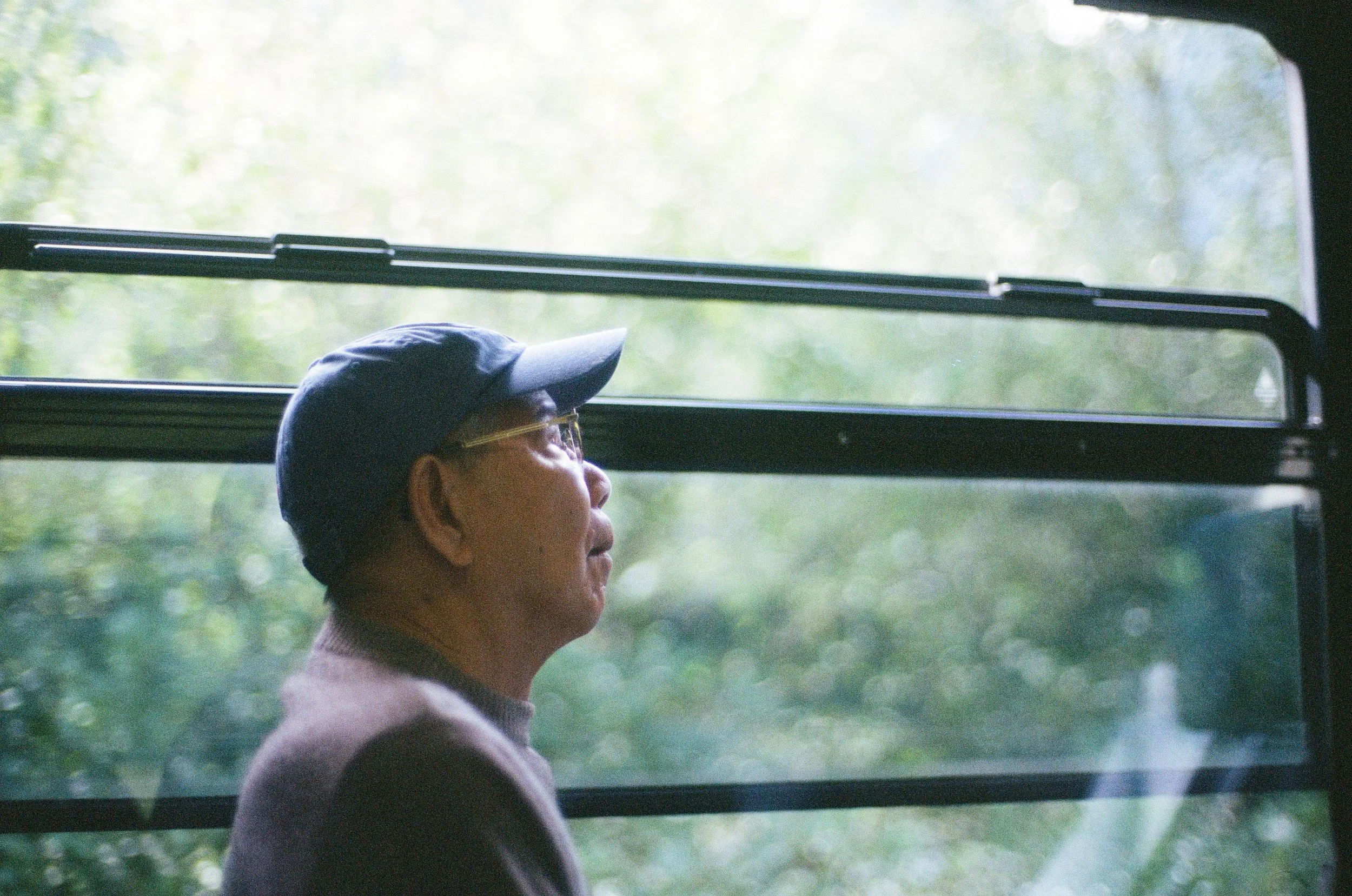
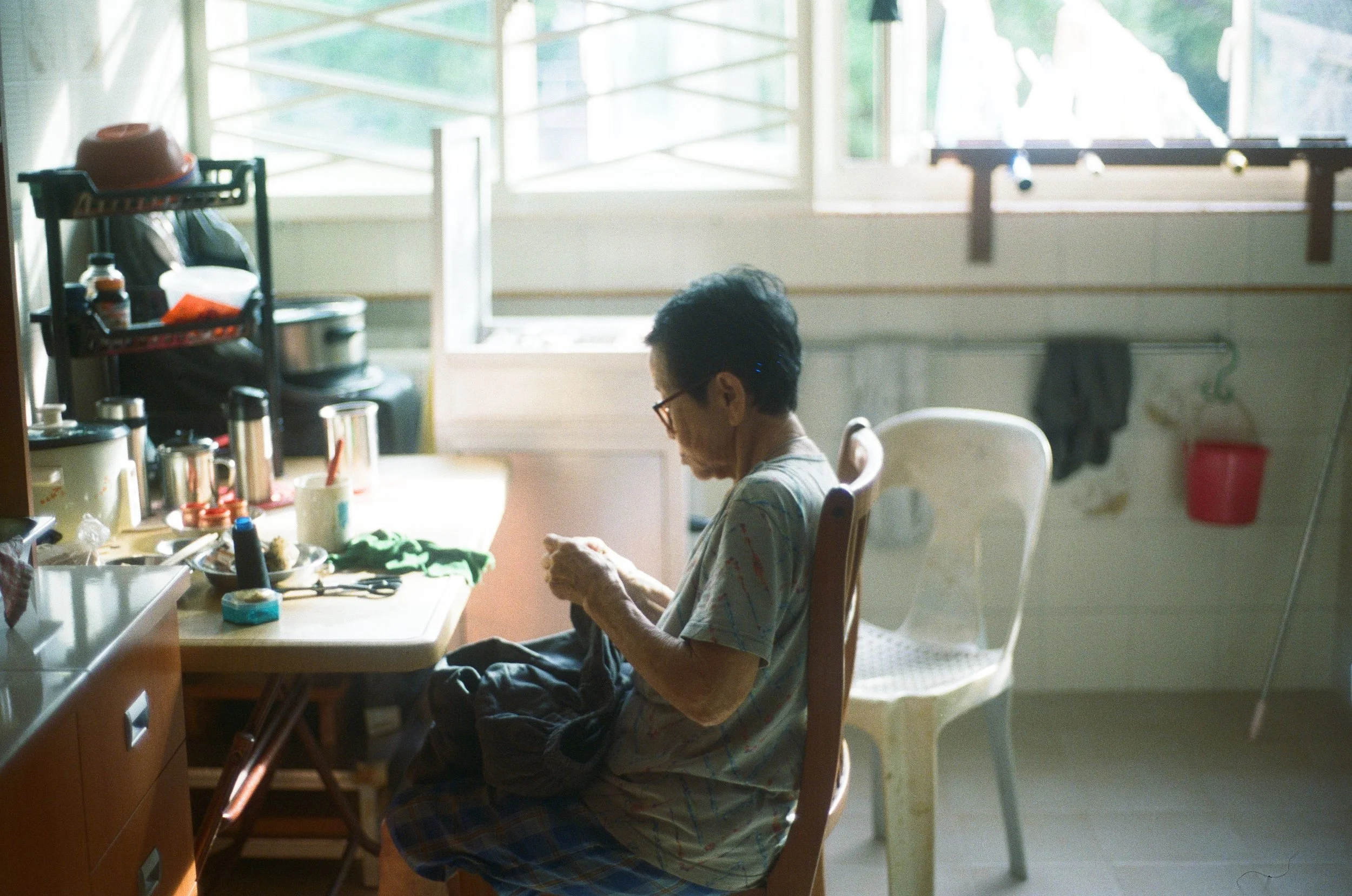
August - Sept 2024 were two beautiful months spent with two people I care deeply about - I was struck by a deep melancholy of mono no aware - the ephemeral nature of existence, and the ceaseless passage of time and change. Stay awake for every moment; don't even blink.

Grandpa, 8am, Lucerne
Lately, I move through the world thinking a lot about mono no aware - a Japanese word, which means a poignant awareness of the transience of the phenomenal world, that things end. Every moment imbued with a gravitas and melancholy knowing that no moment is relived again in the exact same manner.
If a moment ends, and there isn’t one like it again, then one feels compelled to be fully alive, fully present for all of it.
That it ends, jolts me awake to my spiritual practice. Being around my grandparents is one of these instances.
And when it ends, memories and remembrance (consolatory afterthought of what had been) seems inconsequential.
May my life be an act of deep presence and letting go.
“If our life did not fade and vanish like the dews of Adashino’s graves or the drifting smoke from Toribe’s burning grounds, but lingered on for ever, how little the world would move us. It is the ephemeral nature of things that makes them wonderful.
Among all living creatures, it is man that lives longest. The brief dayfly dies before evening; summer’s cicada knows neither spring nor autumn. What a glorious luxury it is to taste life to the full for even a single year. If you constantly regret life’s passing, even a thousand long years will seem but the dream of a night.” - Yoshida Kenko (1283 - 1350)
Grandma, 8am, Boon Keng
Syntropic agroforestry
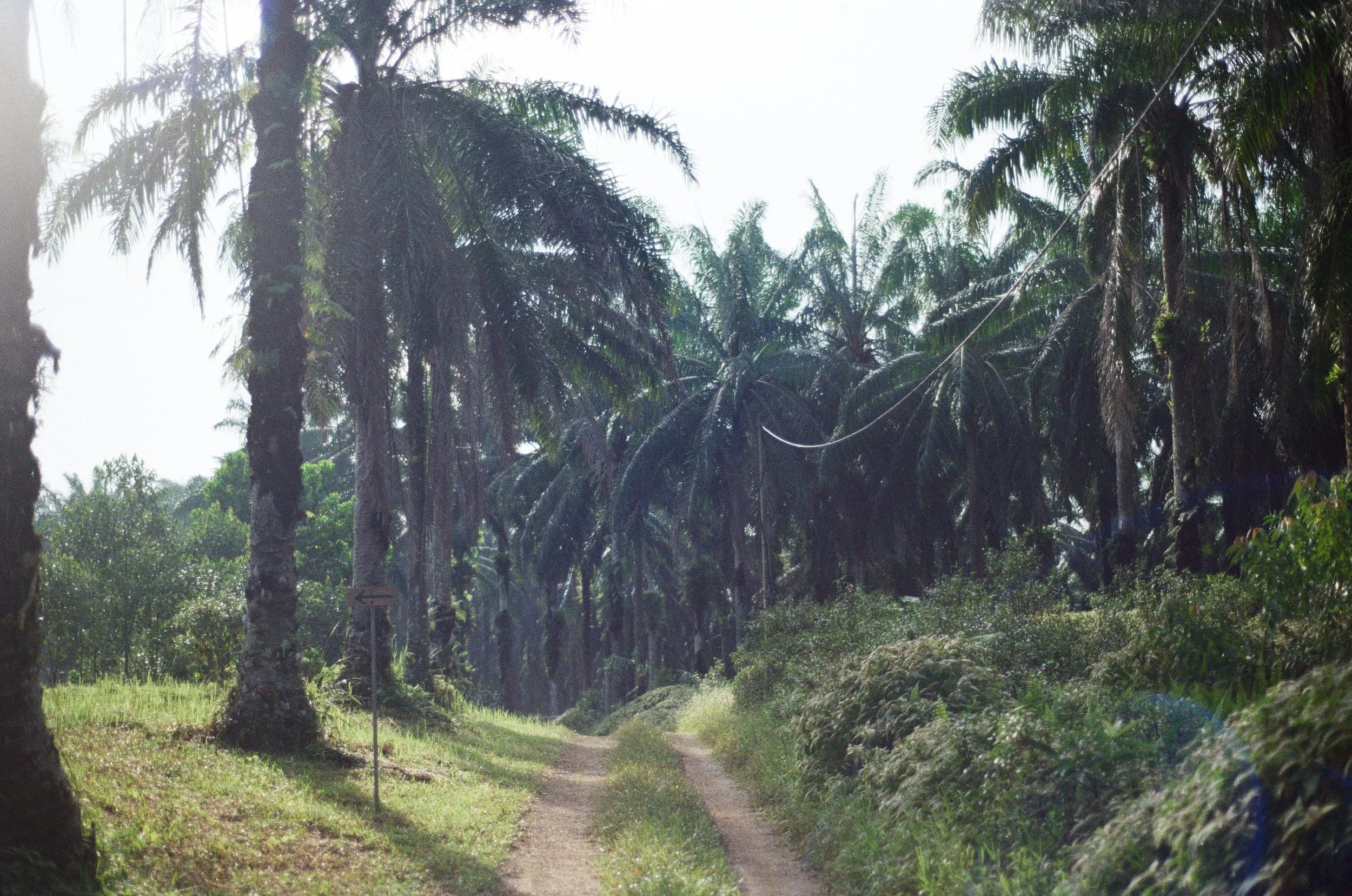
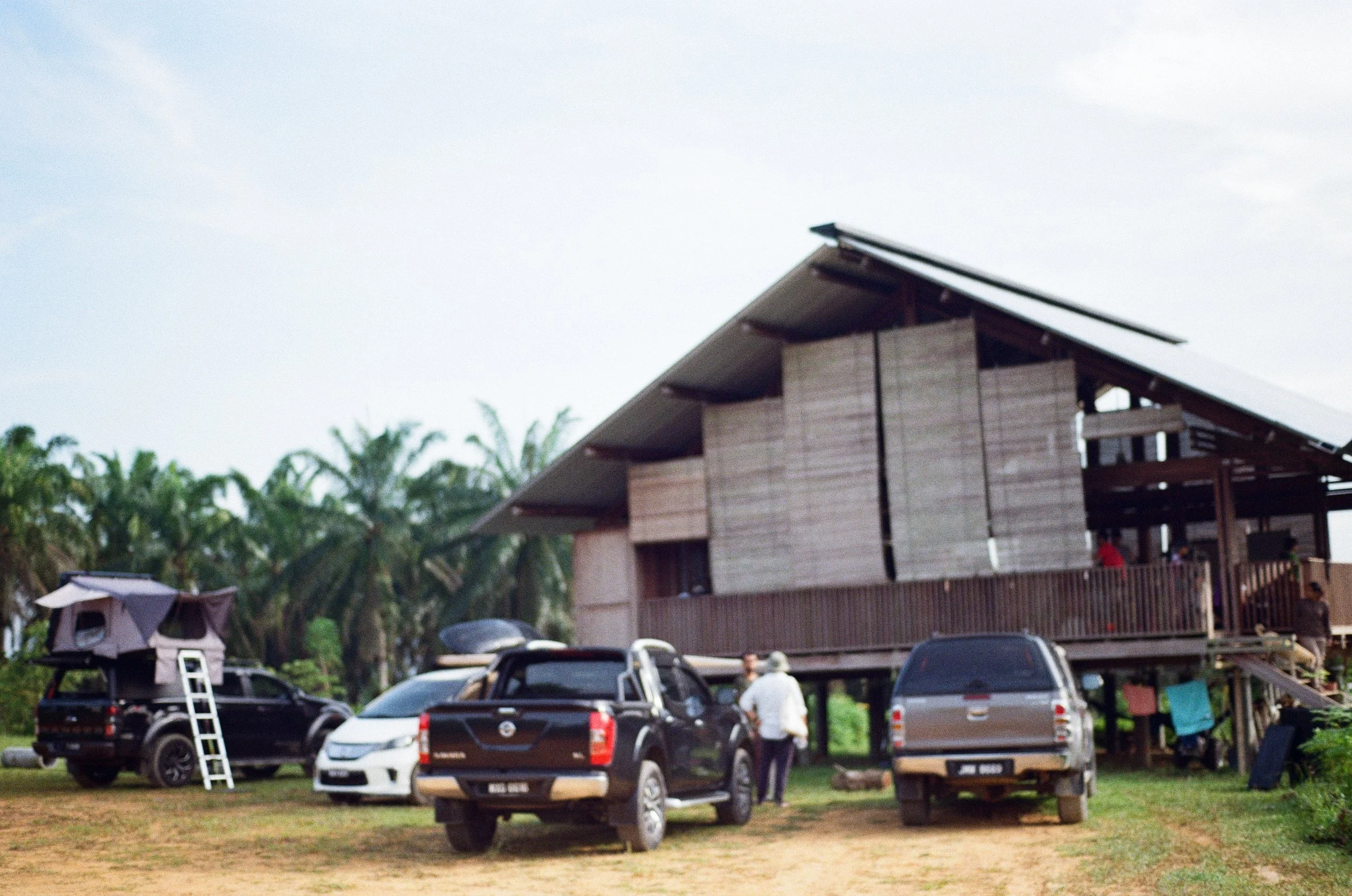
A weekend at Little Wild, an 80 hectare abandoned palm oil plantation in Malaysia, that is trying to unlearn its ways to become, again, a forest through syntropic agroforestry.
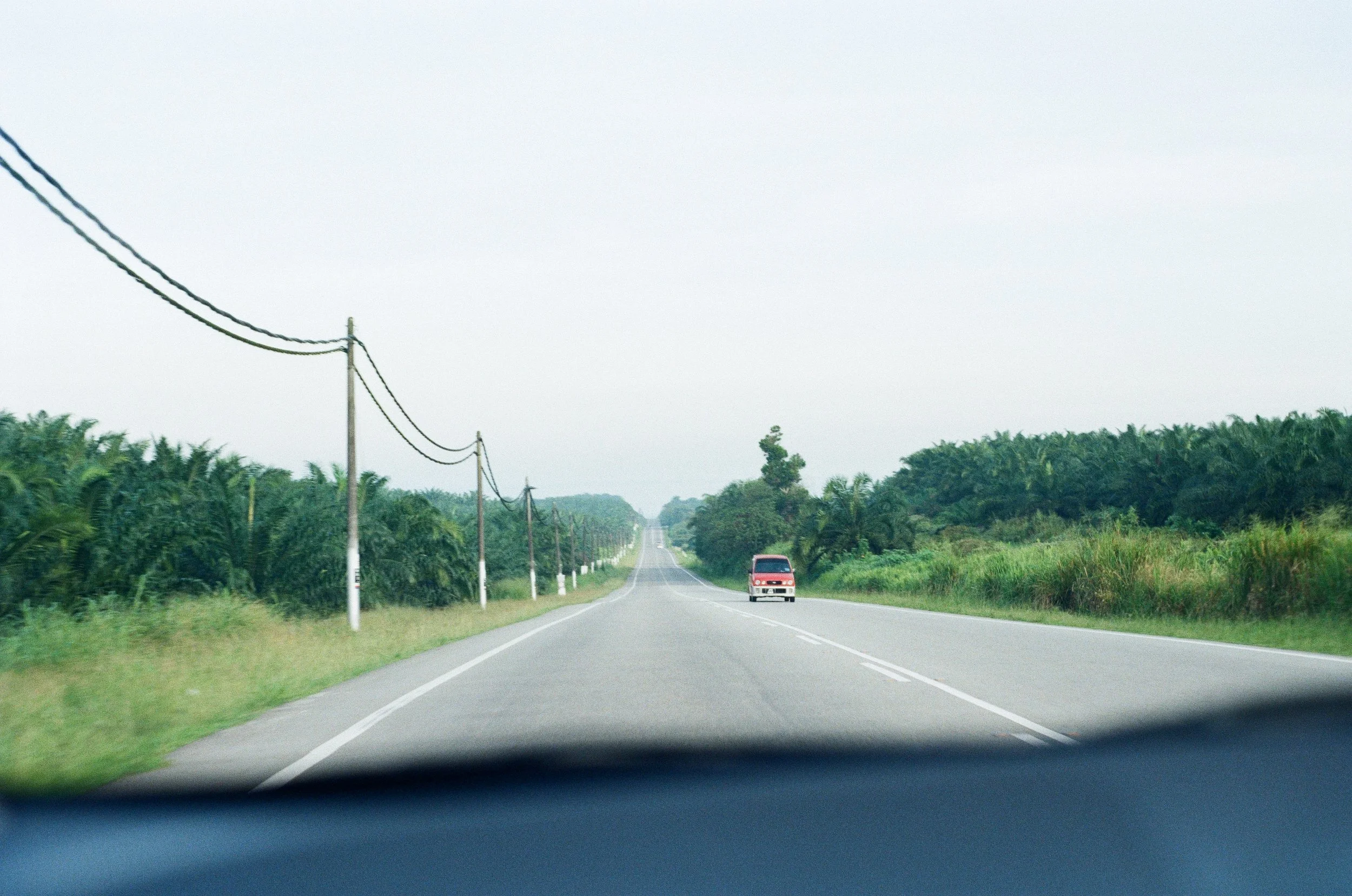
Over the weekend sometime in May 24, I attended a workshop on syntropic agroforestry at a farm called “A little Wild” across the causeway in Kota Tinggi, Malaysia. The founders at A little Wild purchased 80 hectares of what used to be degraded palm oil land and were trying to rehabilitate it through reforestation and syntropic agroforestry efforts back into a forest.
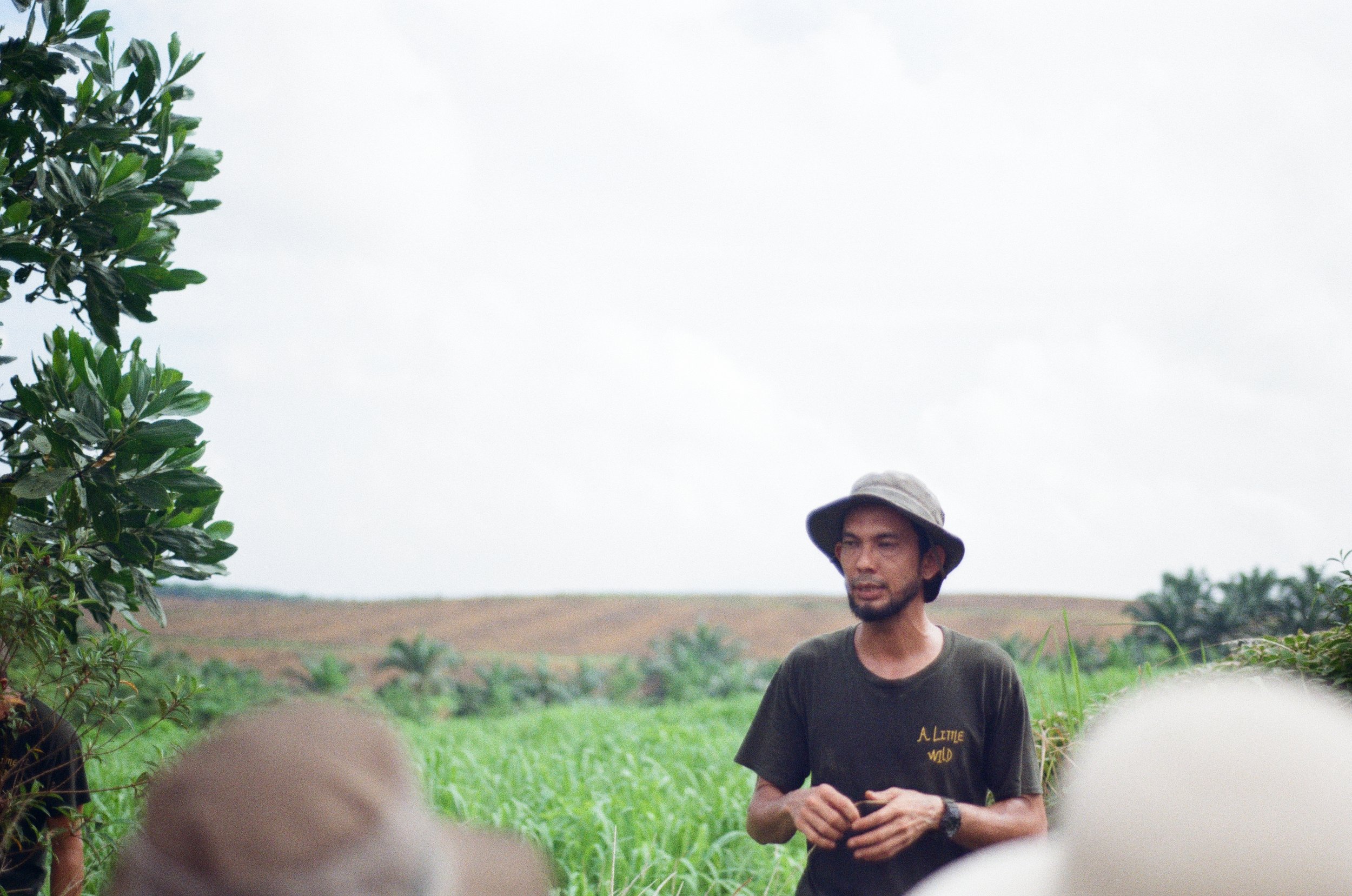
“Every land dreams of becoming a forest”, Imran, one of the lead farmer/trainers, mentioned as he beckons out over the horizon of palm oil that they have just cleared in preparation of rehabilitating it via succession cycle from grass, pioneer tree species, secondary tree species and so on. Just behind him a lush patch of Mombasa grass taking root. Mombasa grass, to most may seem like weed to be removed, but to the practitioner is valuable compost that is planted and continuously pruned in harsh and degraded soils to restore the land to fertility such that other species can take root through the phosphorous fixing activities that would have been accomplished by the grass.
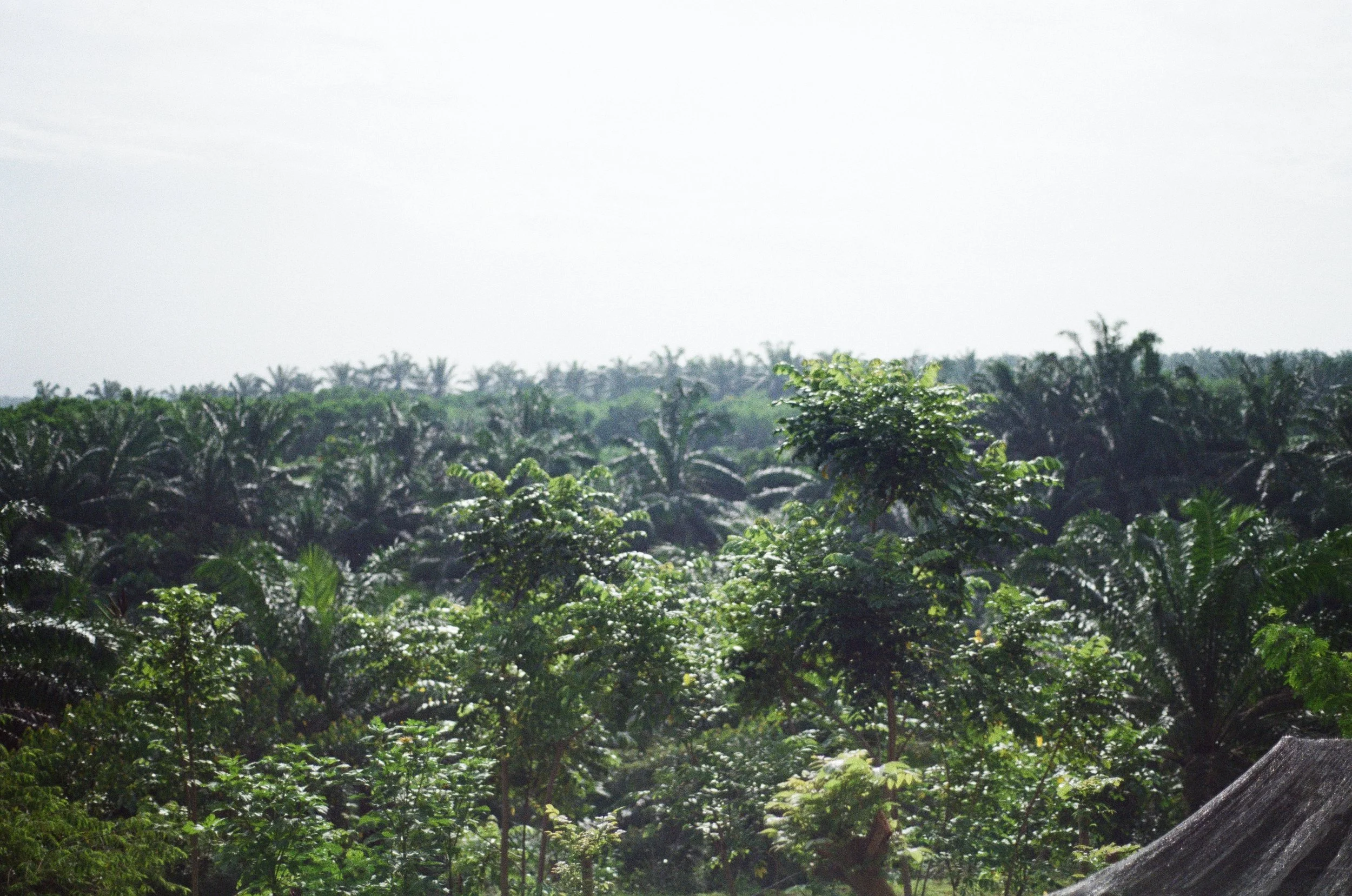
I find the principles of syntropic agroforestry so beautiful, a reflection of how humanity could be if only we allowed and listened more to our inherent nature. Once, explaining to someone what I do for a living, and I remembered saying “I study nature because it informs what humanity can be like.”
In syntropic agriculture, we describe a plant in terms of space, time, and its role in the system.
Specifically, this means asking the questions:
Space: which strata does it belong to (emergent, high, medium, or low canopy),
Time: how long does it live (Placenta 1/2, Secondary 1/2, Primary),
System: what role it plays in fulfilling the land’s dream of becoming a forest.
Everything in the forest has its role to play, and serves the greater good, and when its time is up, it dies and makes way for another life form, senenance - as it is known, nothing sentimental, just the natural order of intelligent design. A natural succession of pioneering, accumulating, abundance in a forest system.
Nature is intelligent beyond our imagination. If only human beings too asked ourselves the question, “what is my role in the system, in society” and listened hard for the answer. Would we be so caught up in the grandiosity of living it up?
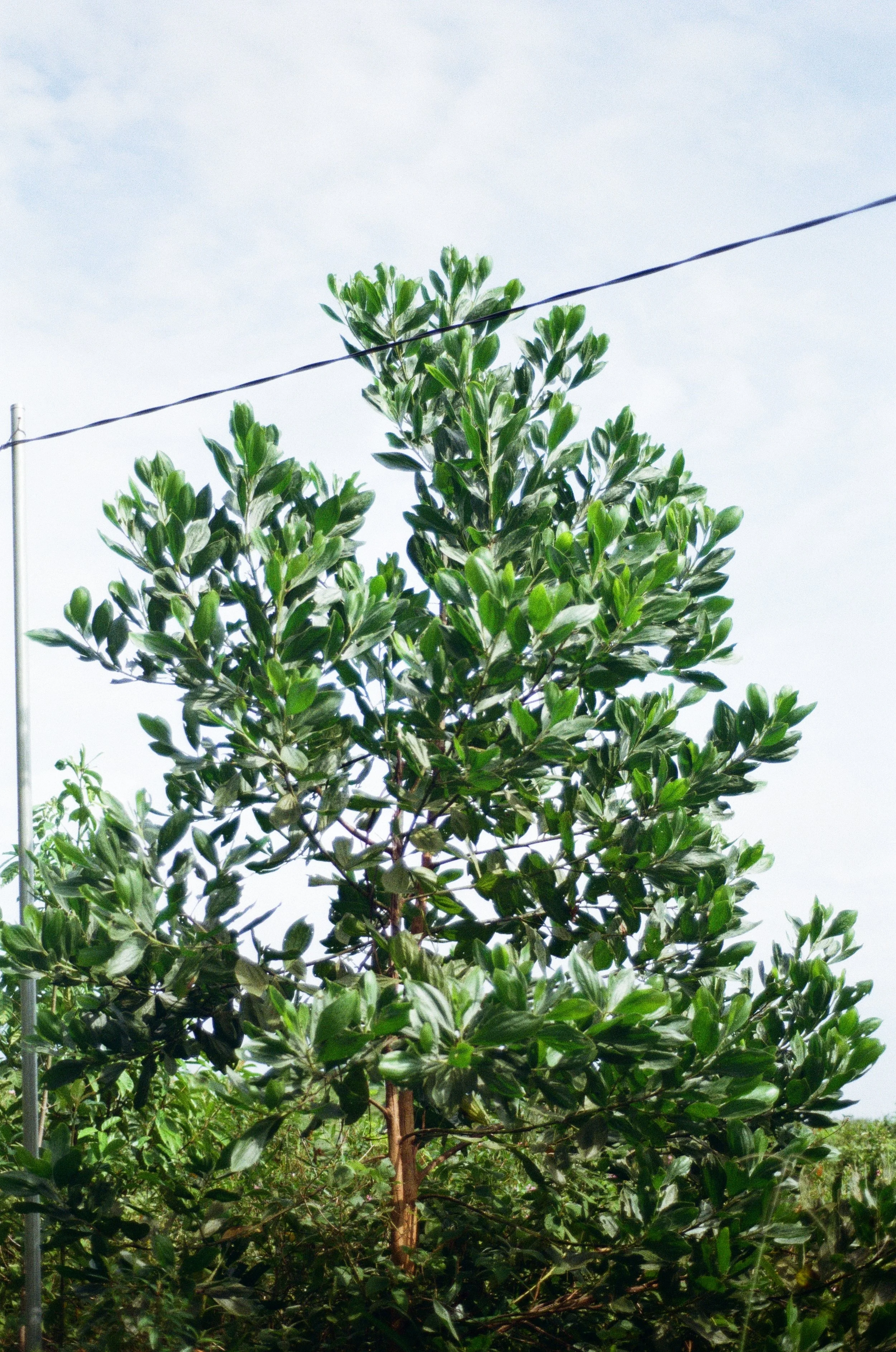
This plant above, an Acacia tree, has its bad reputation and un-welcomed in a the backyards of most puritian agroforesters, for it grows fast and easily takes colonises the land. However, the acacia tree is a pioneering species, which mothers the durian or cassava tree which grows beneath its shade, in richer soils. Once the tree has fulfilled its function of introducing nitrogen back into the soil, it exits the system, allowing other species to take its place, as quietly and magically as it appeared.
Pioneer species like the Acacia, and the Mombasa grass, enter the system, to do the hard work of restoring fertility the placenta species as they are known.
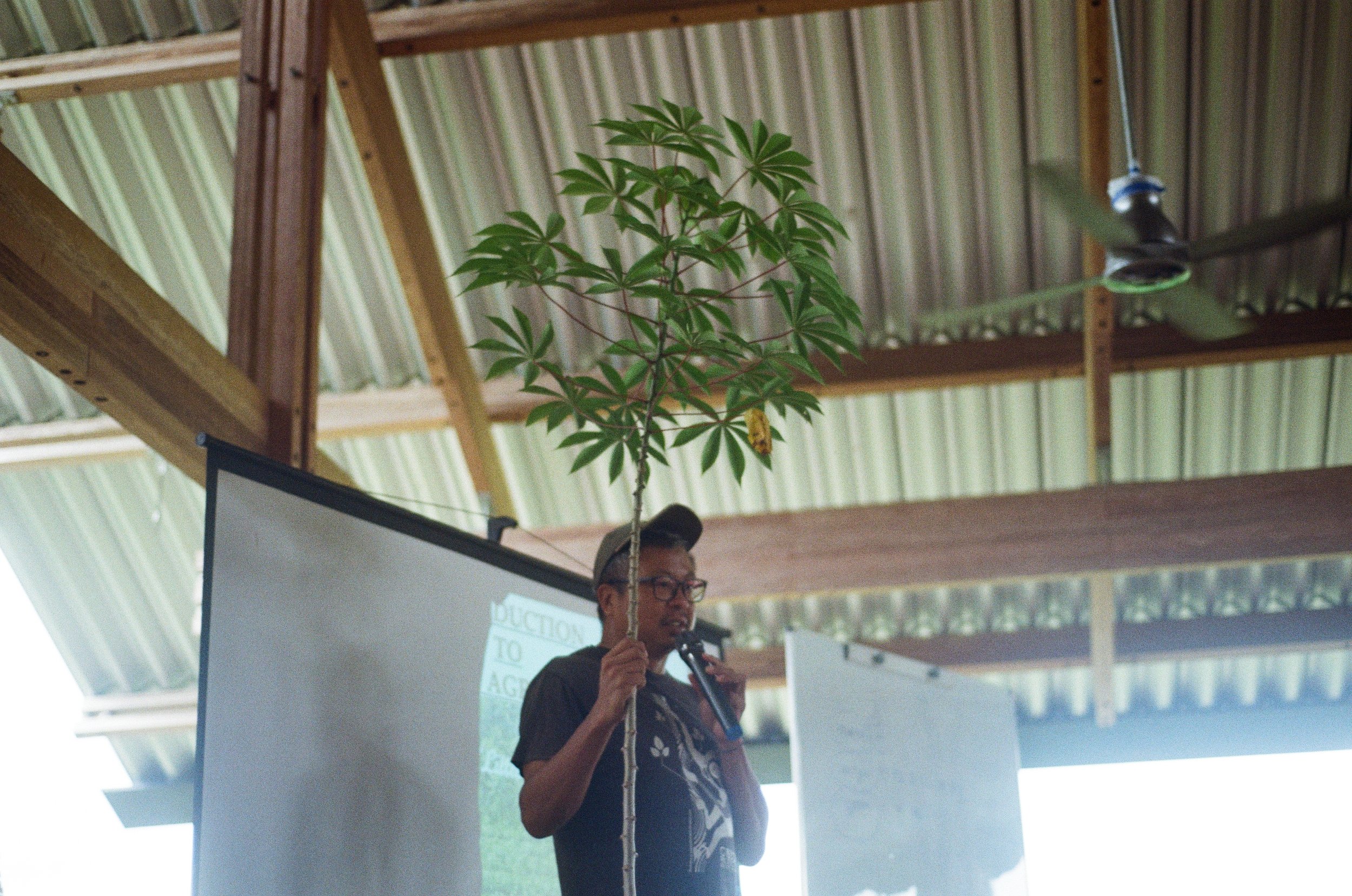
Will, another farmer and trainer, showing us a cassava tree. One of the hardiest trees that enters a system in the early stages, and also a tree that is an emergent.
In accumulation stage, when the soil’s fertility is brought to more balance, timber producing trees start taking root. Also trees like the cassava tree above. These trees introduce lignin into the system, allowing a vast network of mycellium network to permeate in the soil, transporting nutrients across vast hectares, preparing the land for abundance stage.
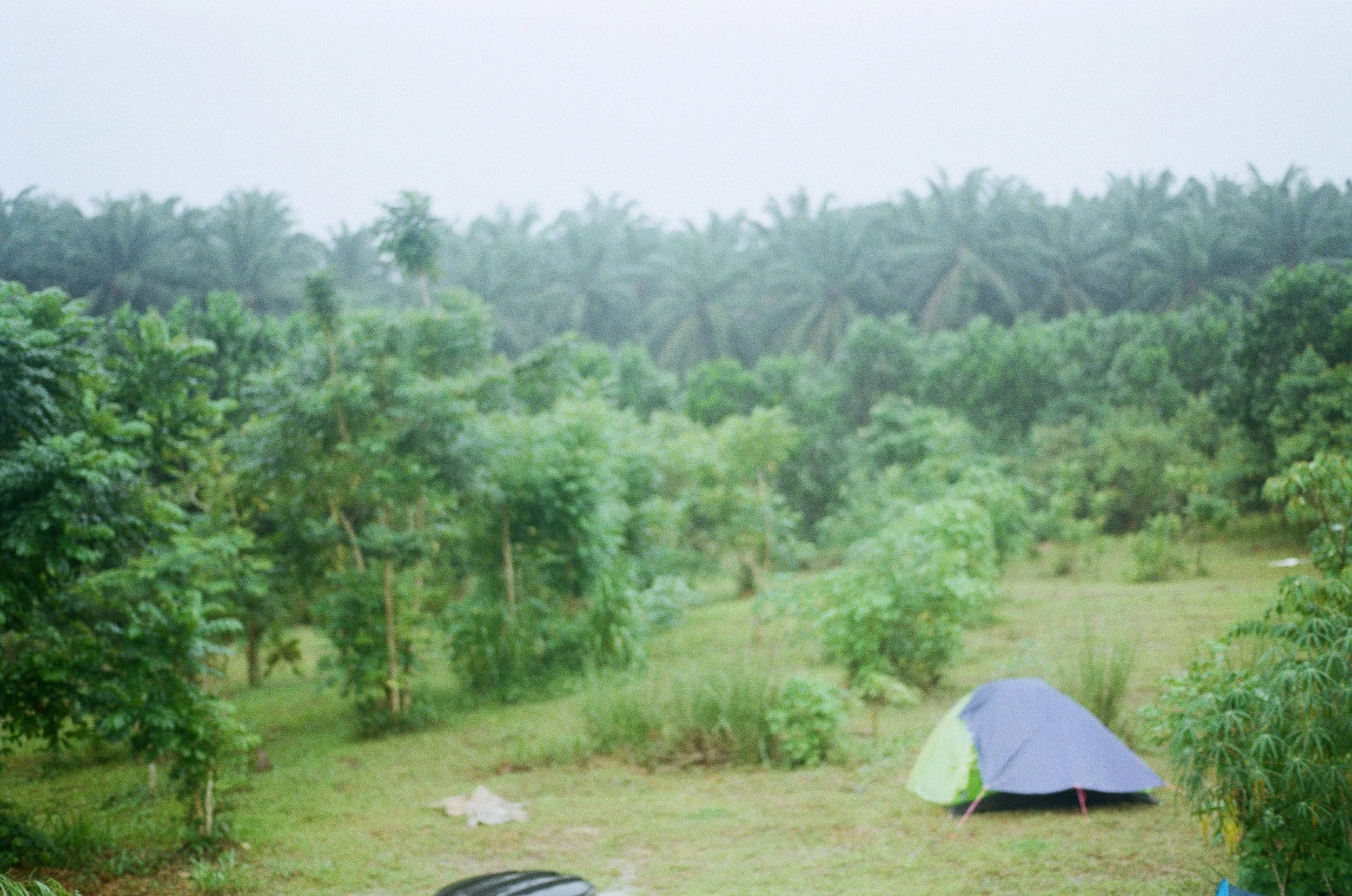
Slightly blurry image of the nursery where trees of different stratas and succession are planted and pruned. Pruning is an essential element of syntropic agroforestry and also why as a concept it is so labour intensive in the first few years. We think of a plant’s growth in terms of a curve - just before it reaches maximum growth and subsequently begins to stagnate in terms of growth. One of the principles of syntropic agroforestry is therefore, management, which is also otherwise known as introducing disturbances in the forest (i.e. pruning). Pruning catalysing the system towards the next stage of abundance, delaying senanece, allowing for continued growth.
Although human interference is found, interestingly another forester in the group mentioned that “the forest prunes itself” such as the Macaranga, Kapok species. I once saw a kapok tree that grew so majestically, I was in awe. It sheds its leaves to allow sunlight to permeate such that annual crops can grow beneath its shade. How intelligent, how interesting!
In diverse forestry systems, 40-50% of sunlight’s photosynthesis energy goes to the roots, the remaining is channeled towards aboveground biomass, in the trunk, branches, leaves. In monoculture agriculture systems, in order to accelerate the process of fruiting, the emphasis is placed on growing aboveground biomass of a plant, little goes into the soil which makes the plant more susceptible to diseases and pests. Things take the time they take, indeed.
Humans role in this system is to catalyse the land’s dream of becoming a forest through 95% management, 5% planting.
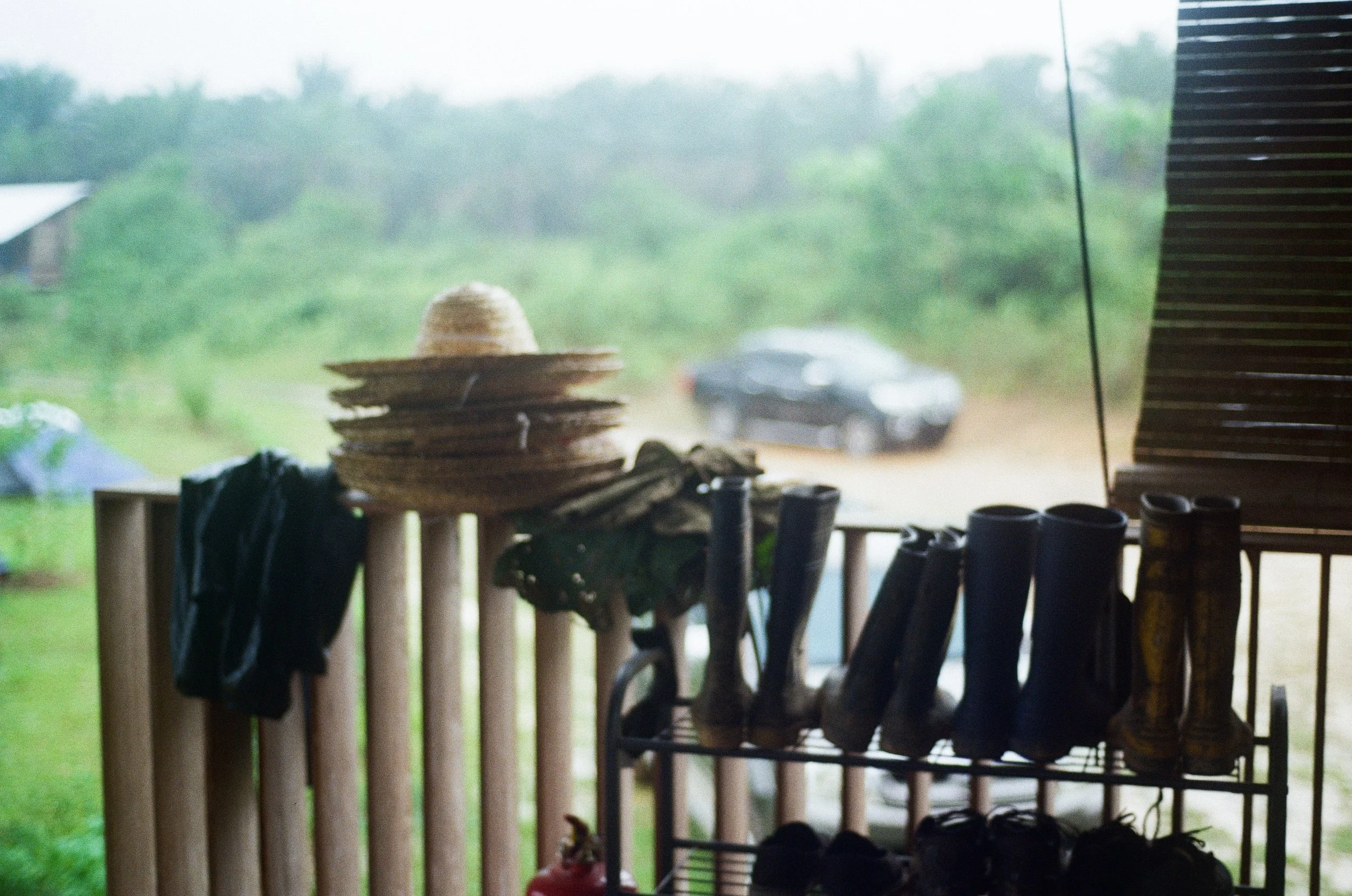
We talked about slash and burn, and the use of fire. Will, a native Malaysian, shared an interesting perspective. Slash and burn has been a traditional practice done by the nomadic indigenous people as a way of life and to clear land for subsistence agriculture. Slashing the forest introduces sunlight and burning it releases forest seeds that are laying dormant in the soil - seeds like placenta species, and allows for annual cropping to take place, beneath these trees. Crops such as lettuce, corn have evolved to grow in forest soil, precisely because of this time-tested synergy between forest and agriculture. After they have inhabited the land for a few years, they move to the next plot, leaving the forest to regenerate - they never return to the same plot for at least 100 years.
However, with land grabs by the state and corporations, more indigenous people are losing their lands. As a result, local indigenous people are burning continuously in the same spot, resulting in the loss of topsoil and fertility.
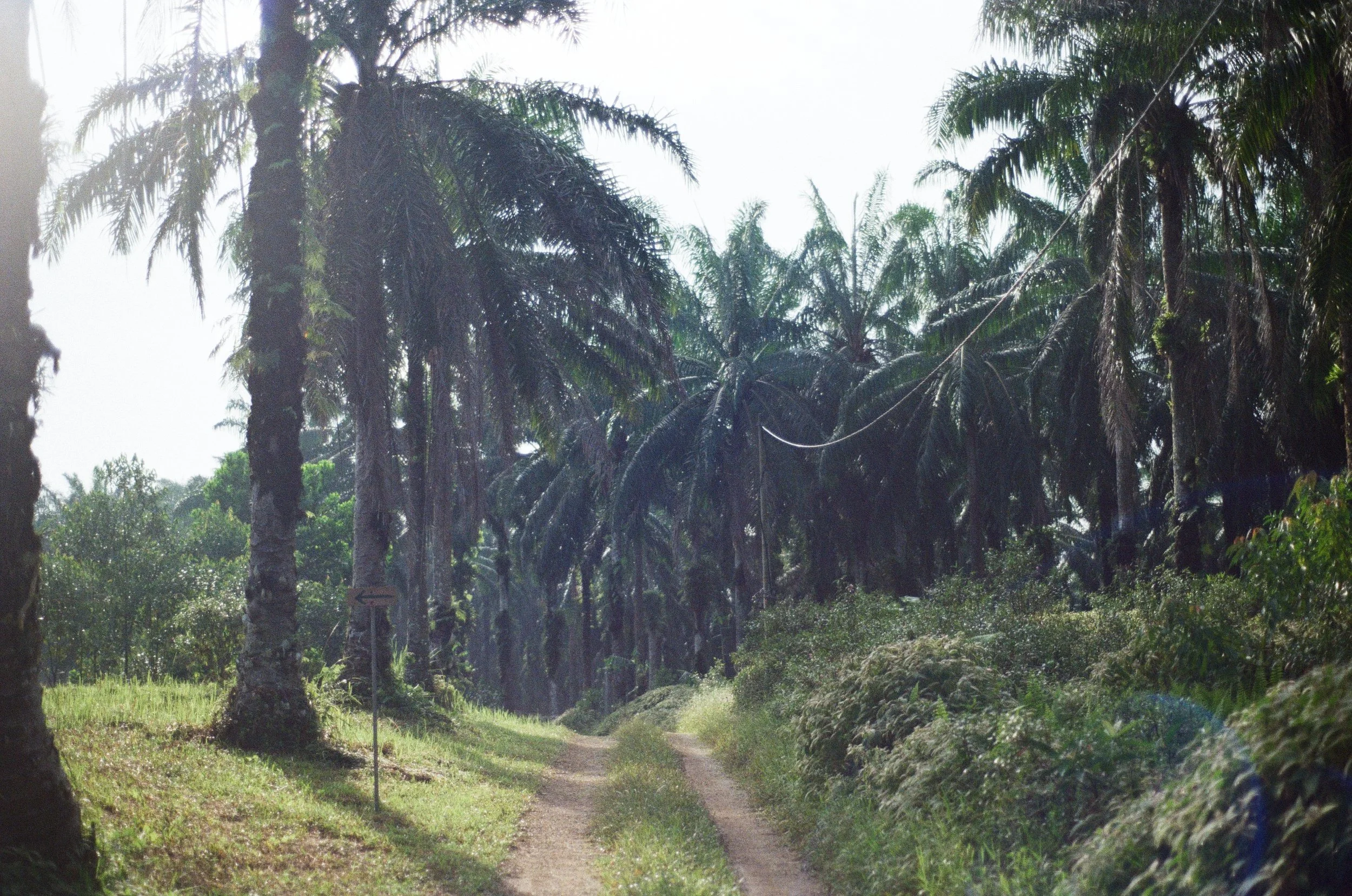
As much as the practice of syntropic agroforestry is so beautiful and idealistic, it is difficult to scale as it requires so much management and labour. “Real wages of farmers is the only occupation that have not changed in Malaysia”, laments Will. At just 2,500 ringgit per month, the farm has lost two of its most talented young farmers to job across the border in Singapore in the food & beverage and logistics sector.
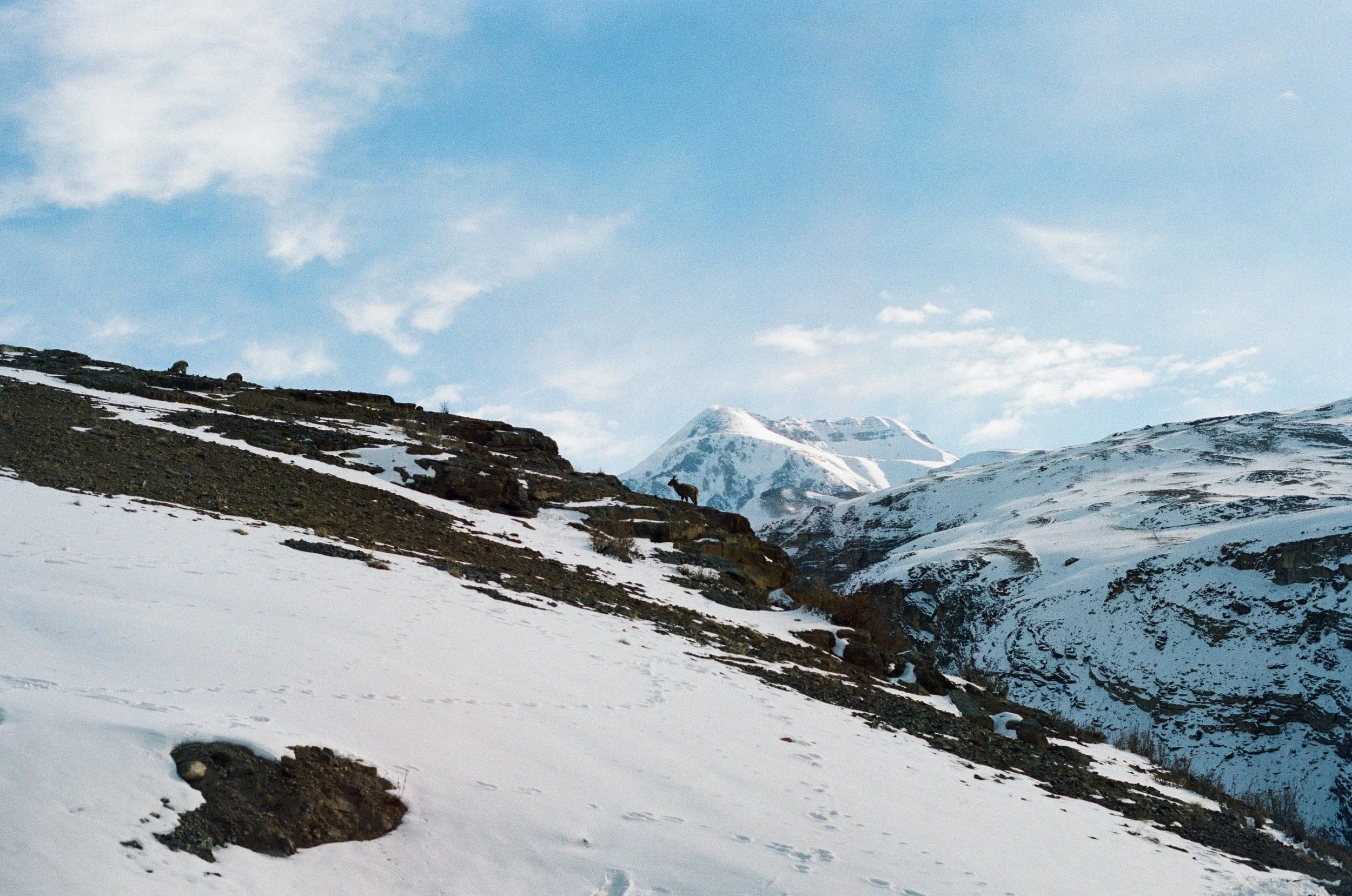
Spiti Valley Feb 2024
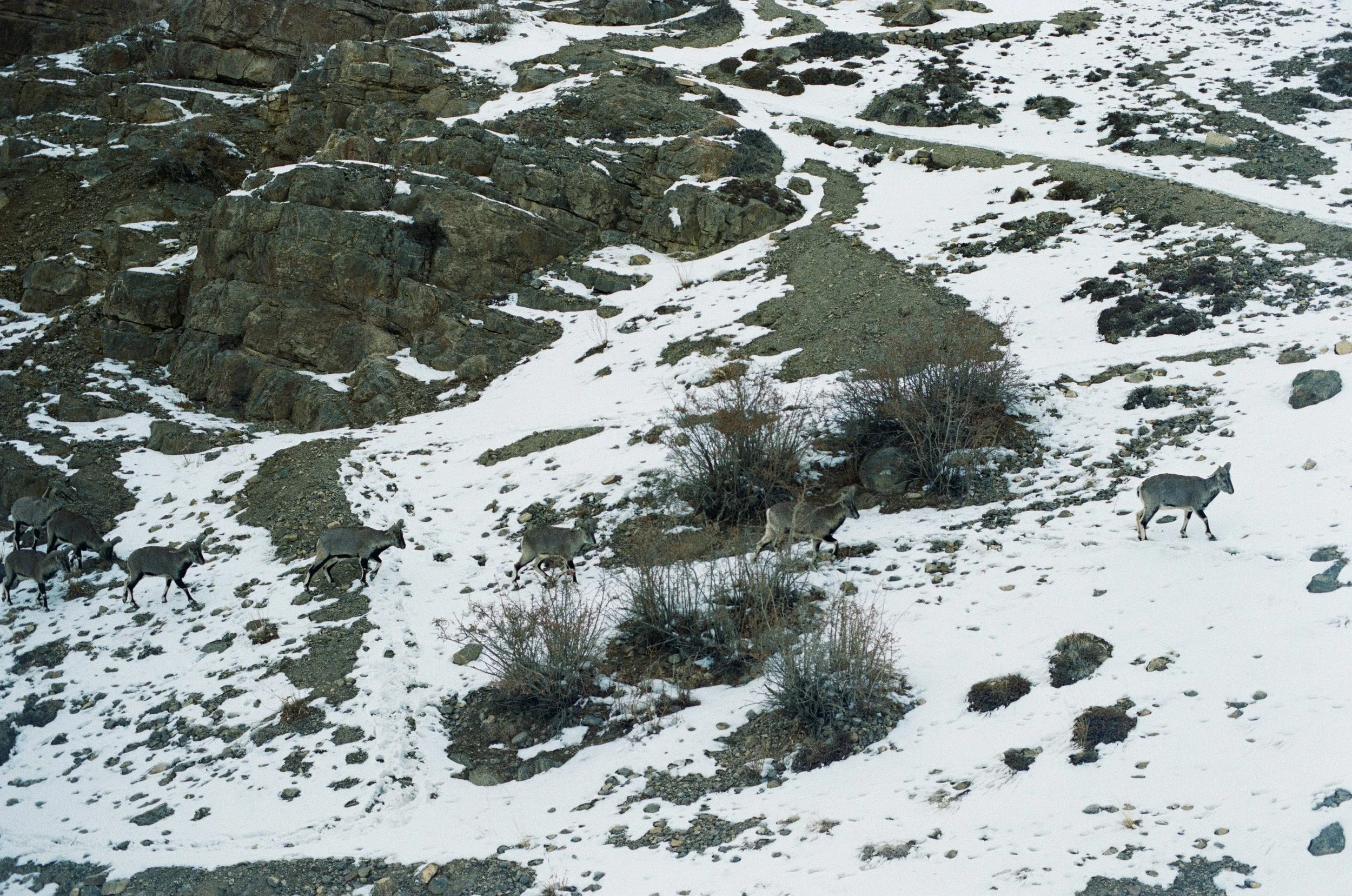
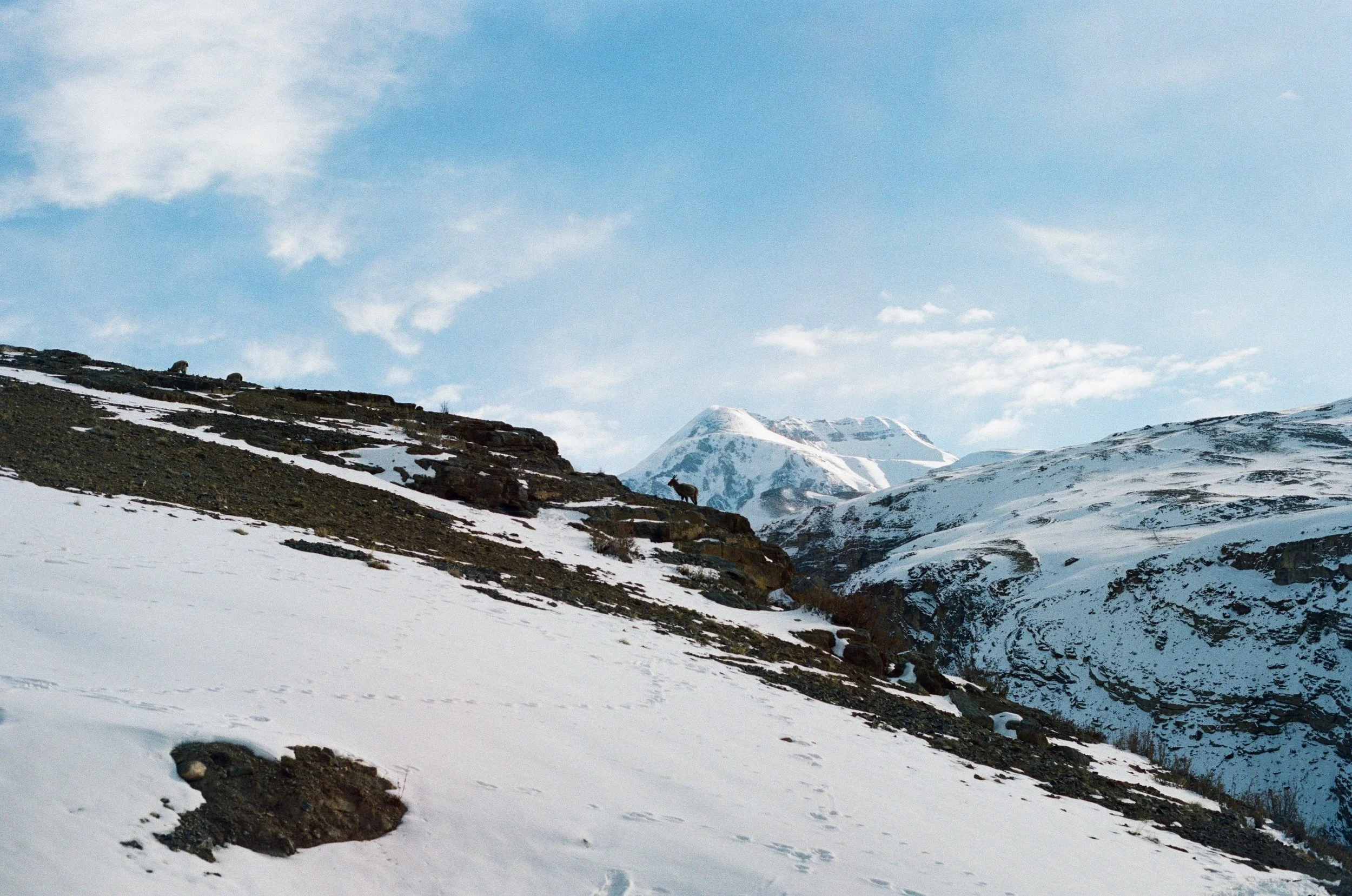
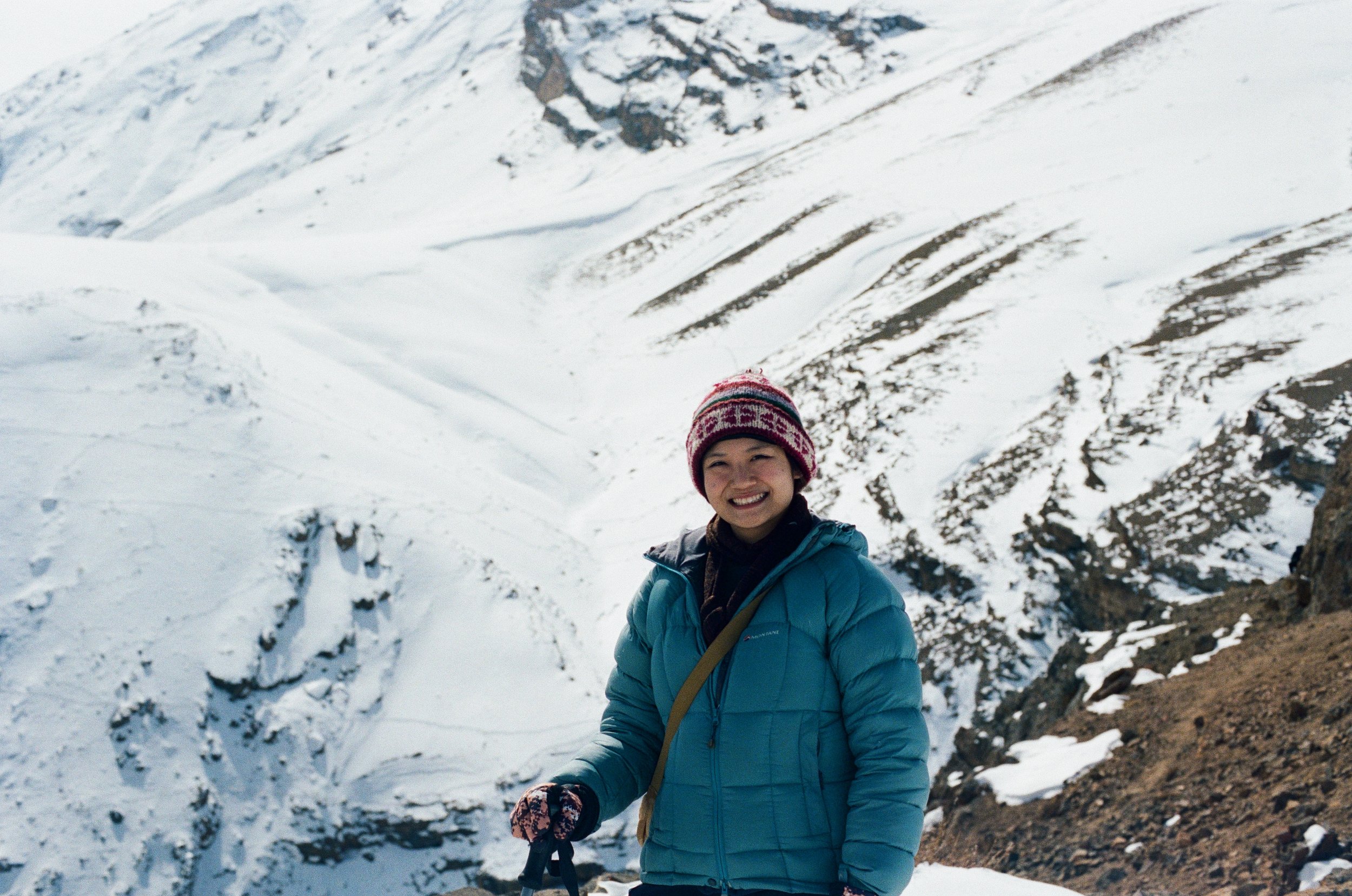
February 2024 — together with a group of 4, we headed deep into Spiti valley, a cold desert landscape located at an altitude of 4,500m. A journey that took us four days.
The name “Spiti” means “The Middle Land”, referring to this area located between Tibet and India, comprising of small communities whose ancestors were originally from the Tibetan plateau and spoke a language called “Spitian” that closely resembled the Tibetan language.
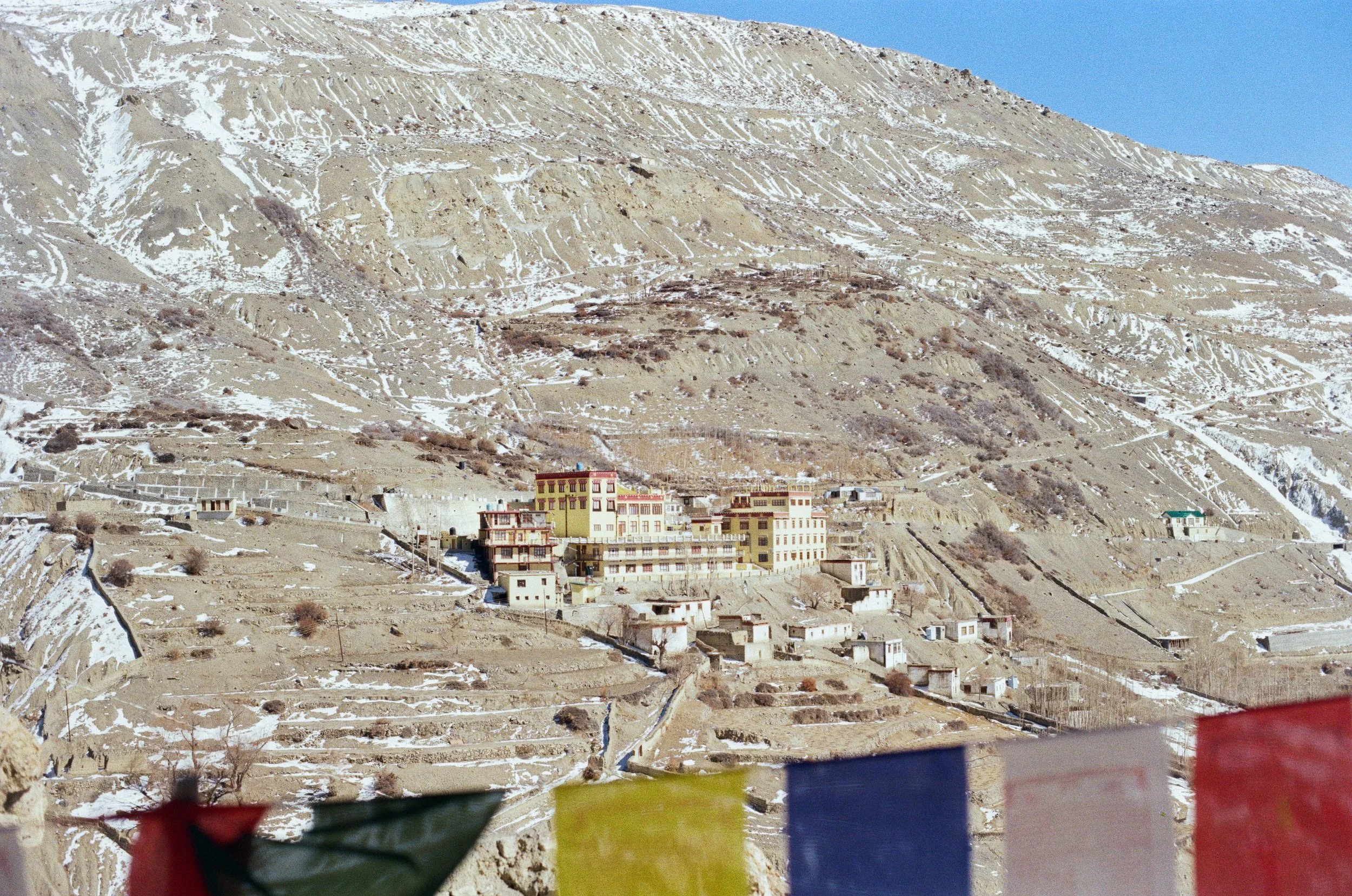
February 2024 — together with a group of 4, we headed deep into Spiti valley, a cold desert landscape located at an altitude of 4,500m. The name “Spiti” means “The Middle Land”, referring to this area located between Tibet and India, comprising of small communities whose ancestors were originally from the Tibetan plateau and spoke a language called “Spitian” that closely resembled the Tibetan language.

It took us 4 days to arrive at the valley — a flight into Delhi, a connecting flight to Chandigardh, a 4 hour car ride (or 5 hours train ride) to Shimla, and then two full-days driving into the valley. I saw how landscapes changed from the hill station town of Shimla, where Himalayan pine trees lined the roads, to more arid landscape, narrower valleys, hydropower dam constructions, and eventually snow capped mountain peaking through the valley and giant rocks with their edges cut by the wind.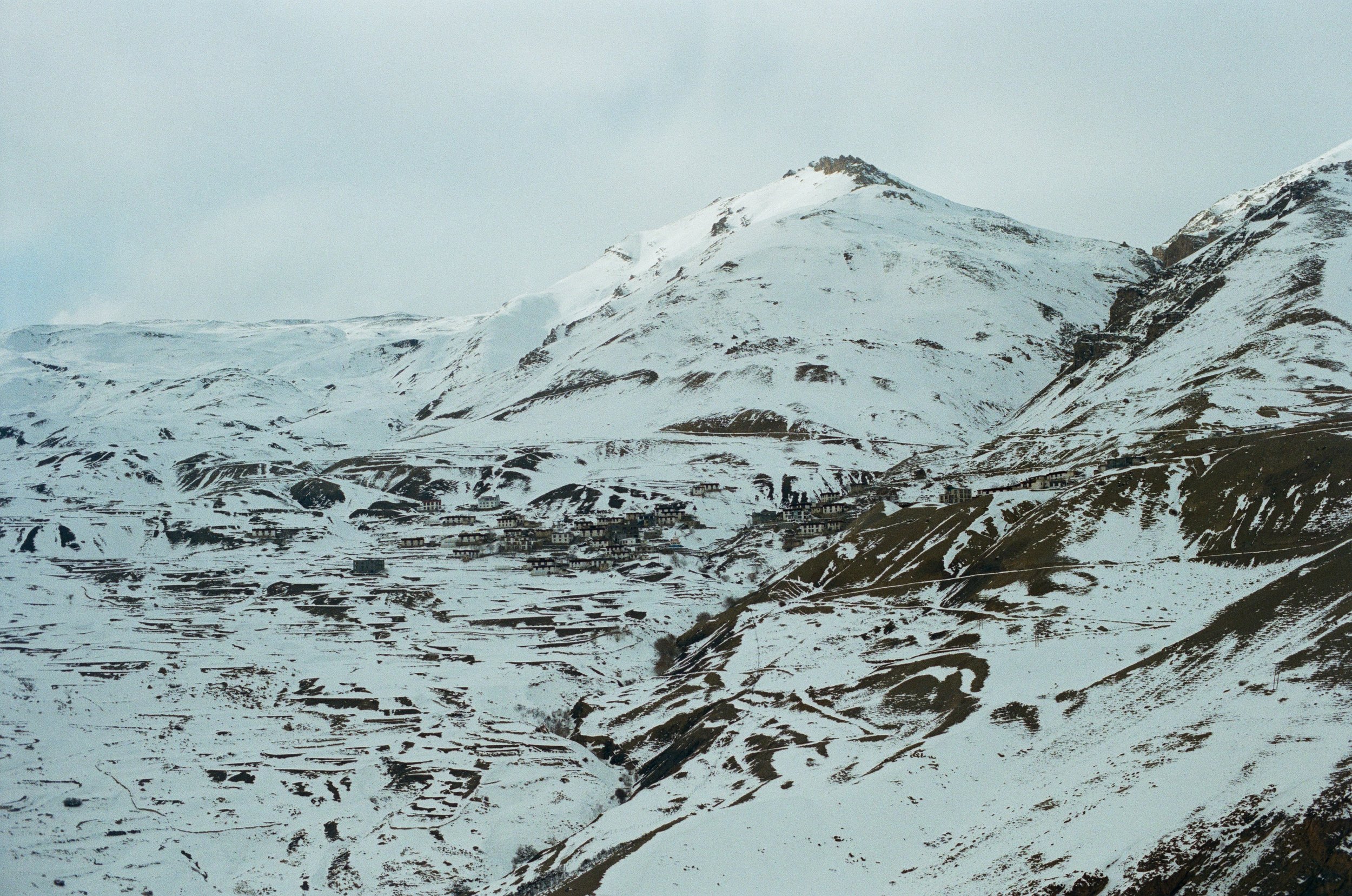
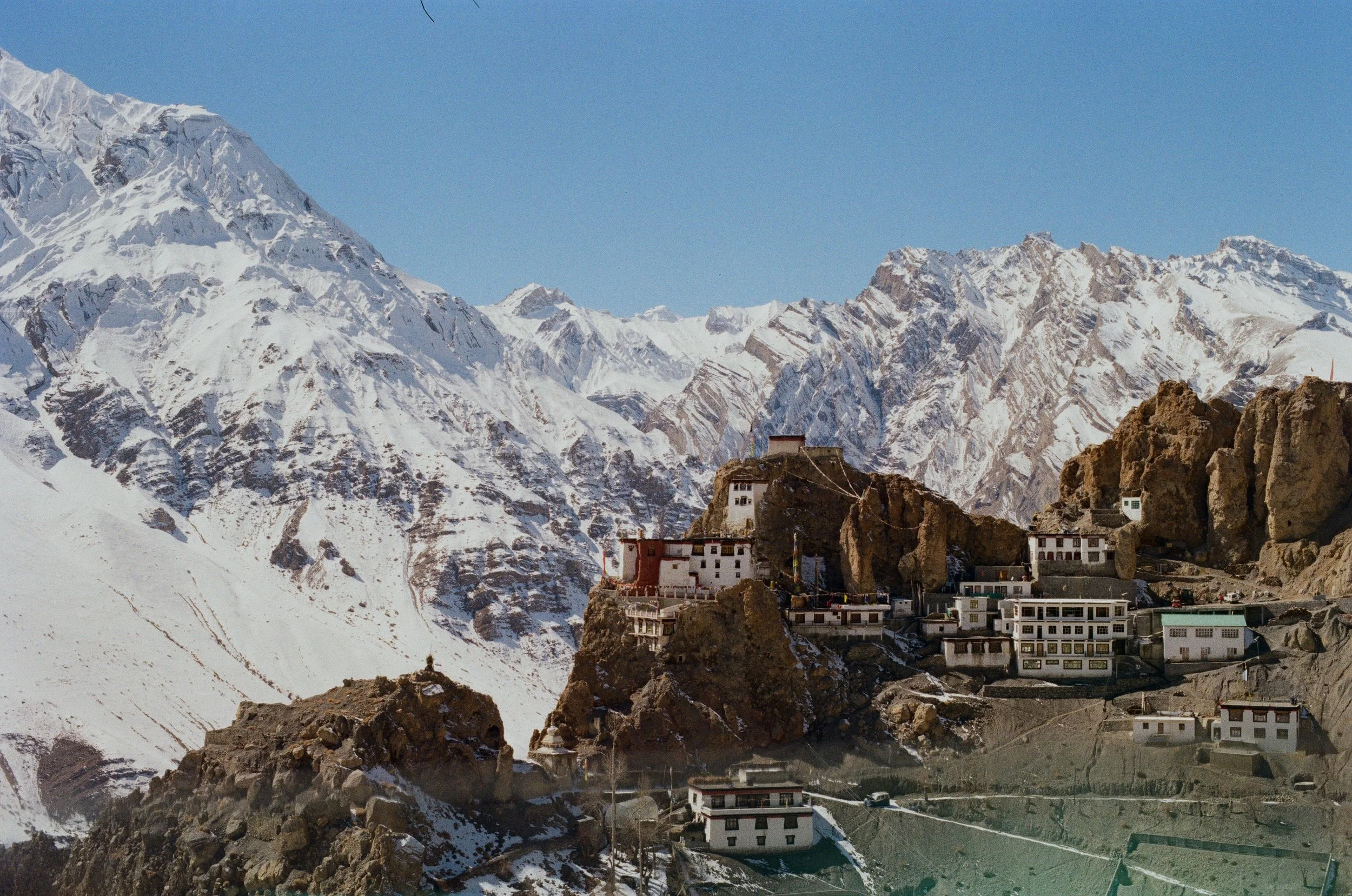
Chicham village from a distance — after two days on route, we finally arrived. 4,500m altitude. This was taken from the road across, we were subsequently going to drive through winding and snow-filled narrow routes, help another car to get itself out of the snow, before reaching the village.
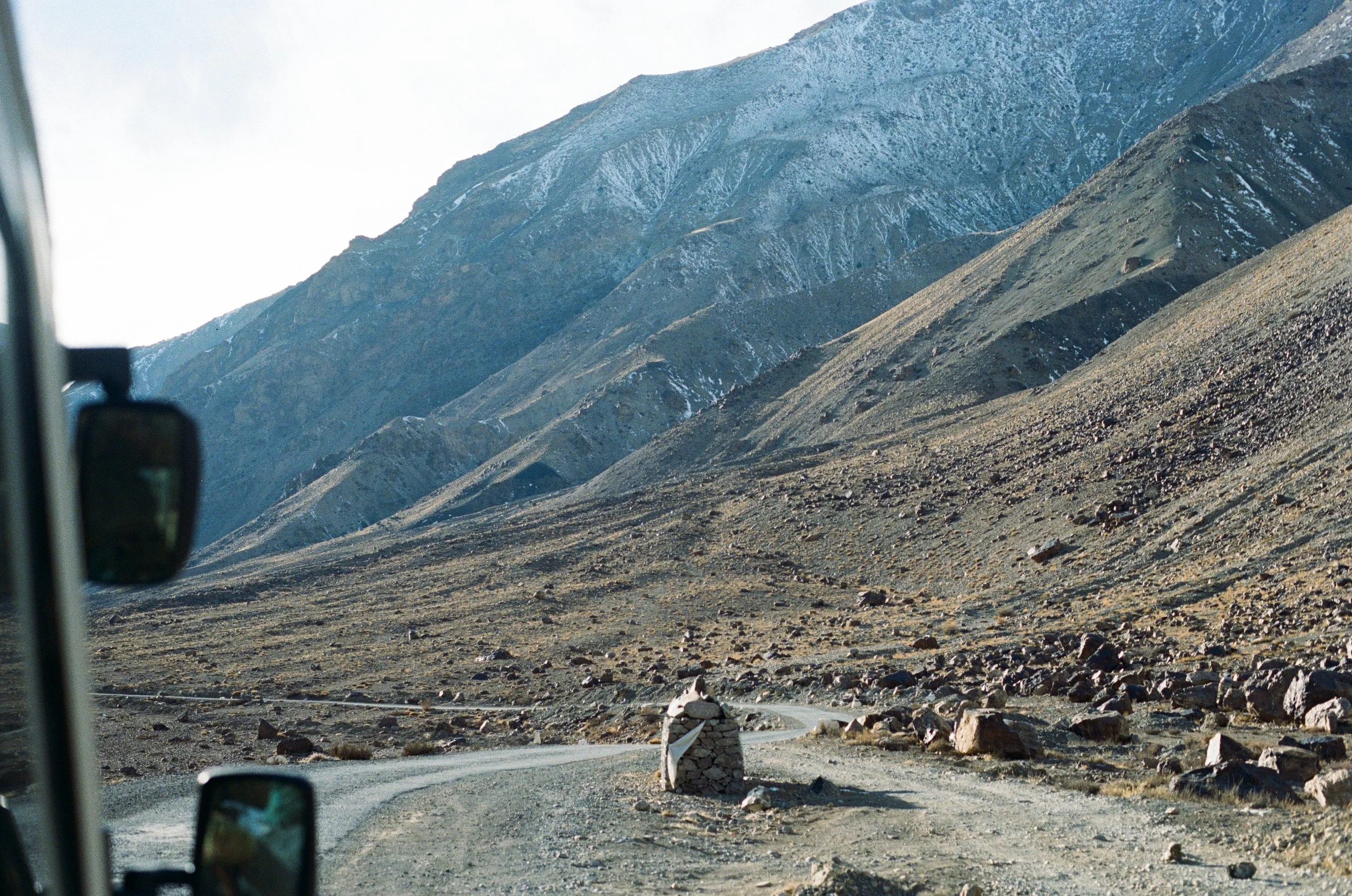
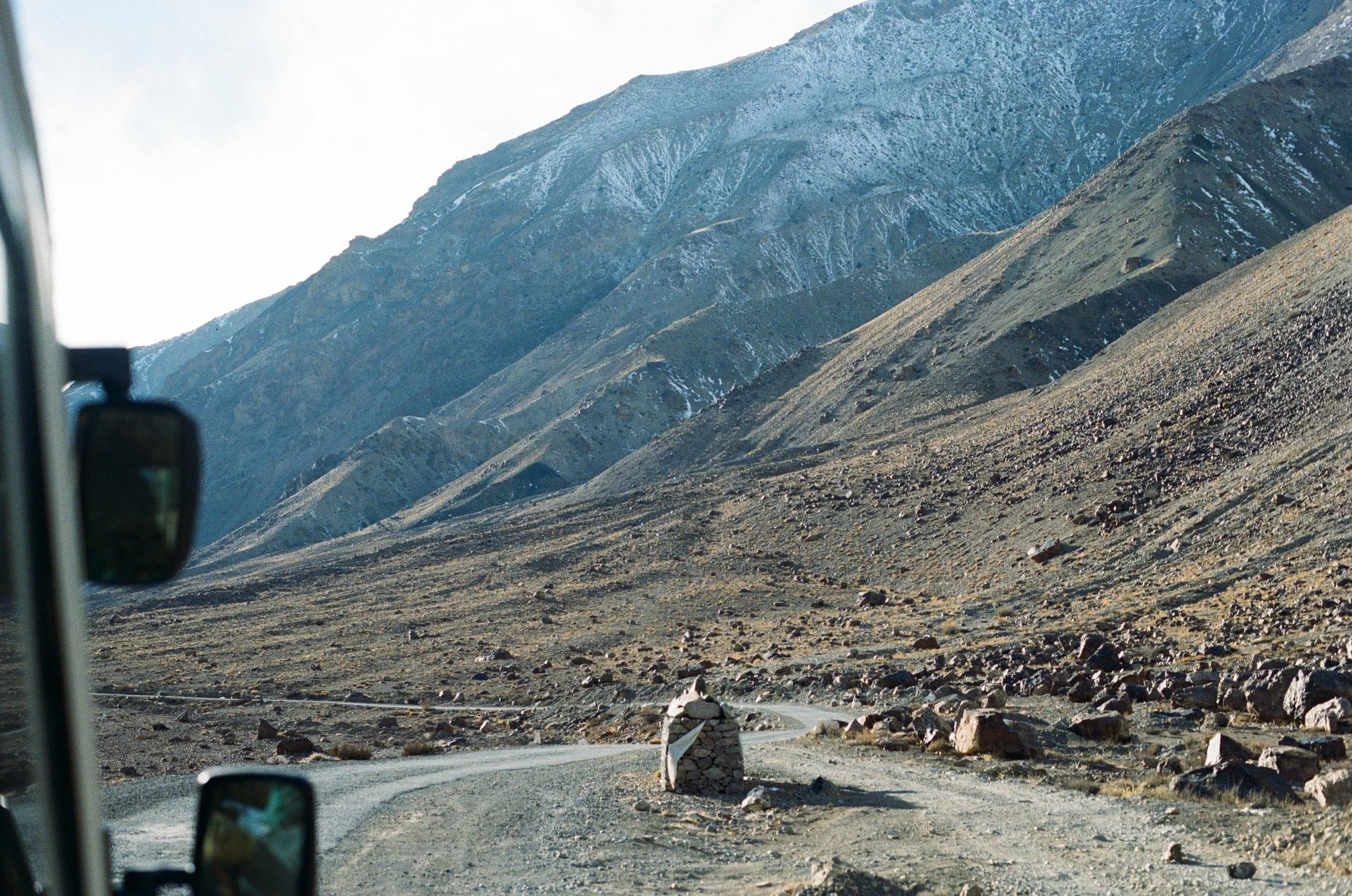
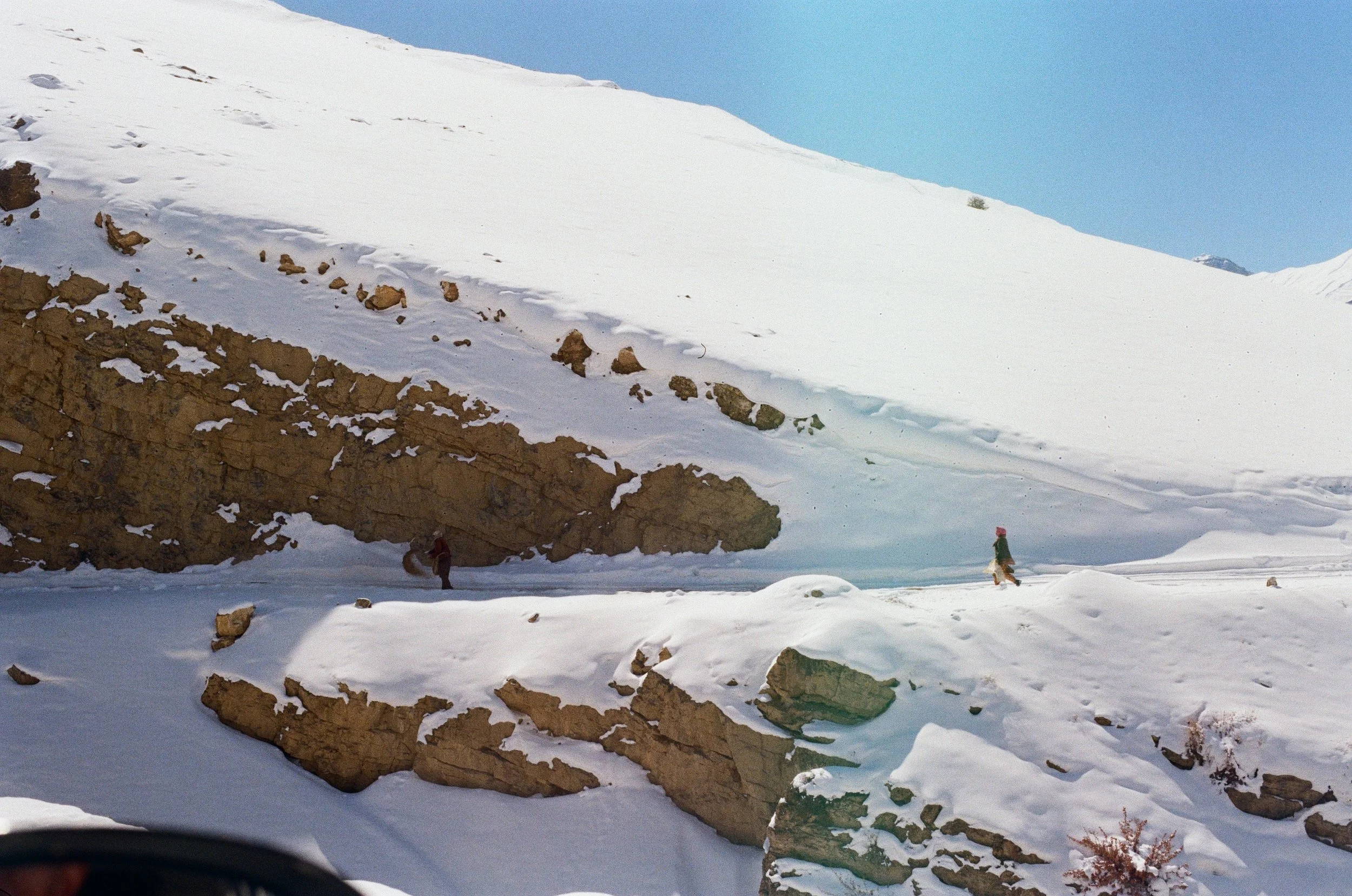
This is one of my favourite pictures from the trip. Something about this photo — the open road, the way light hits the prayer boulder which cars have to drive clockwise around, the adrenaline of sticking my head out to get this shot - reminds me of the feeling of being a part of this world.
At Spiti valley, life seems tough for the locals who live and depend on the environment, with an annual rainfall of only 50mm (tropics have 2000mm of rainfall), nothing grows for most parts of the year. Green peas and root vegetables like potatoes, barley are planted, harvested and preserved, but for other parts of the year, the community depended on wildlife ecotourism as their main source of income. This year snow arrived late and little. Just a few days before we arrived, the village had its first snow of the season to the relief of everyone who had gathered from nearby villages to pray for snow. In this community, I witnessed the human spirit which inspired me — in the face of hardship it remains resilient and indomitable, as it is compassionate and loving. These two ideals are not mutually exclusive I learned. 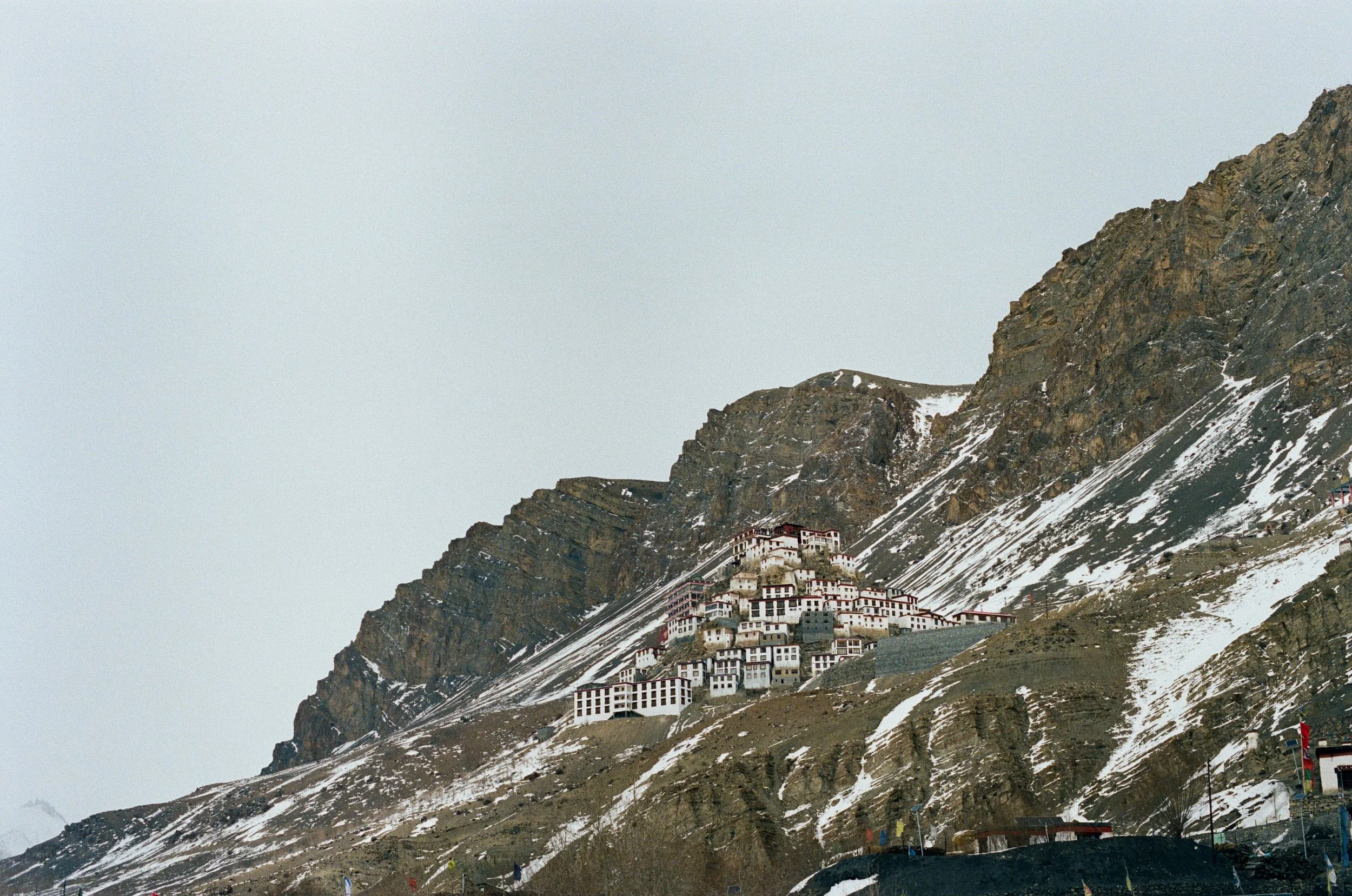
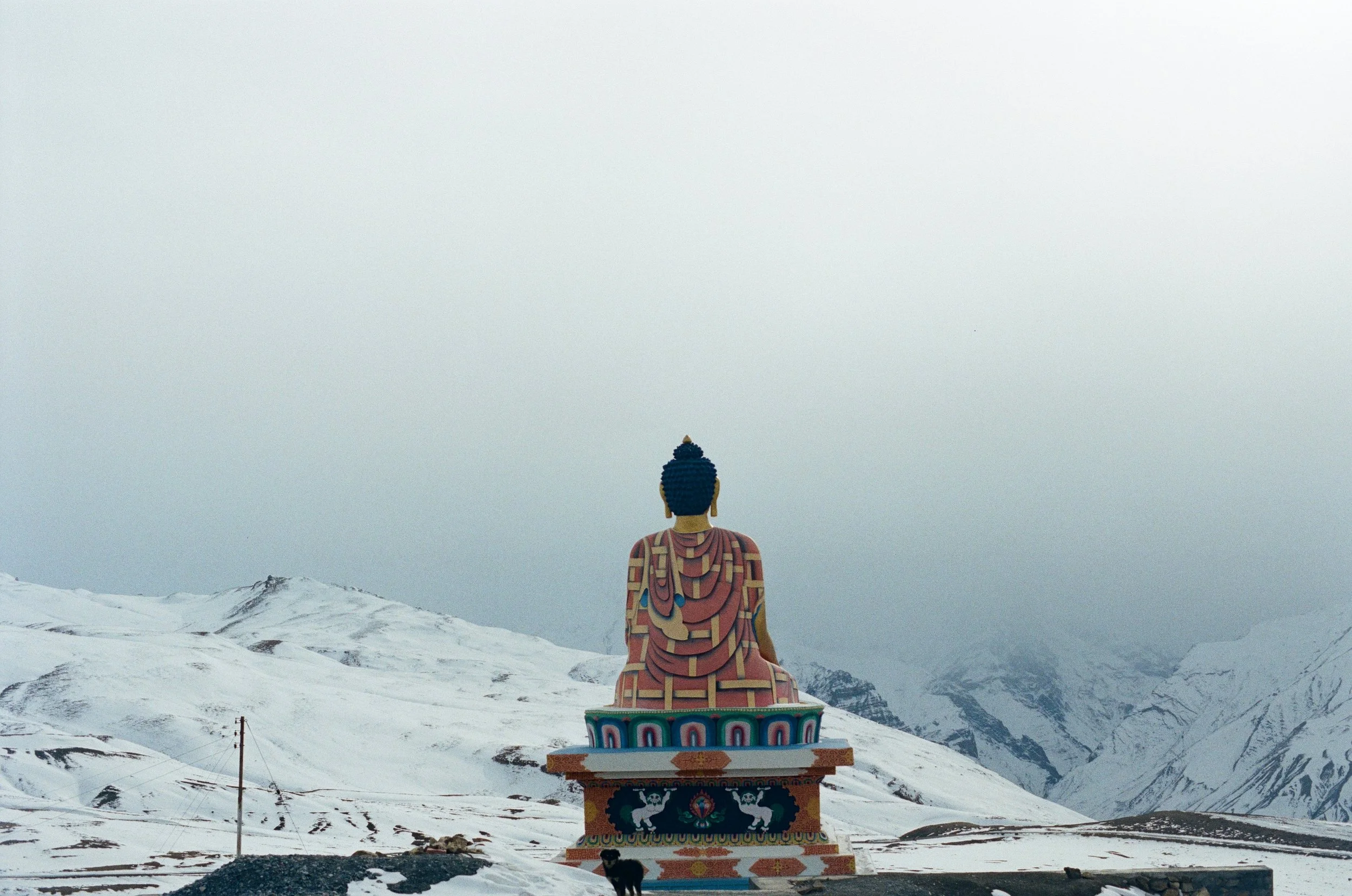
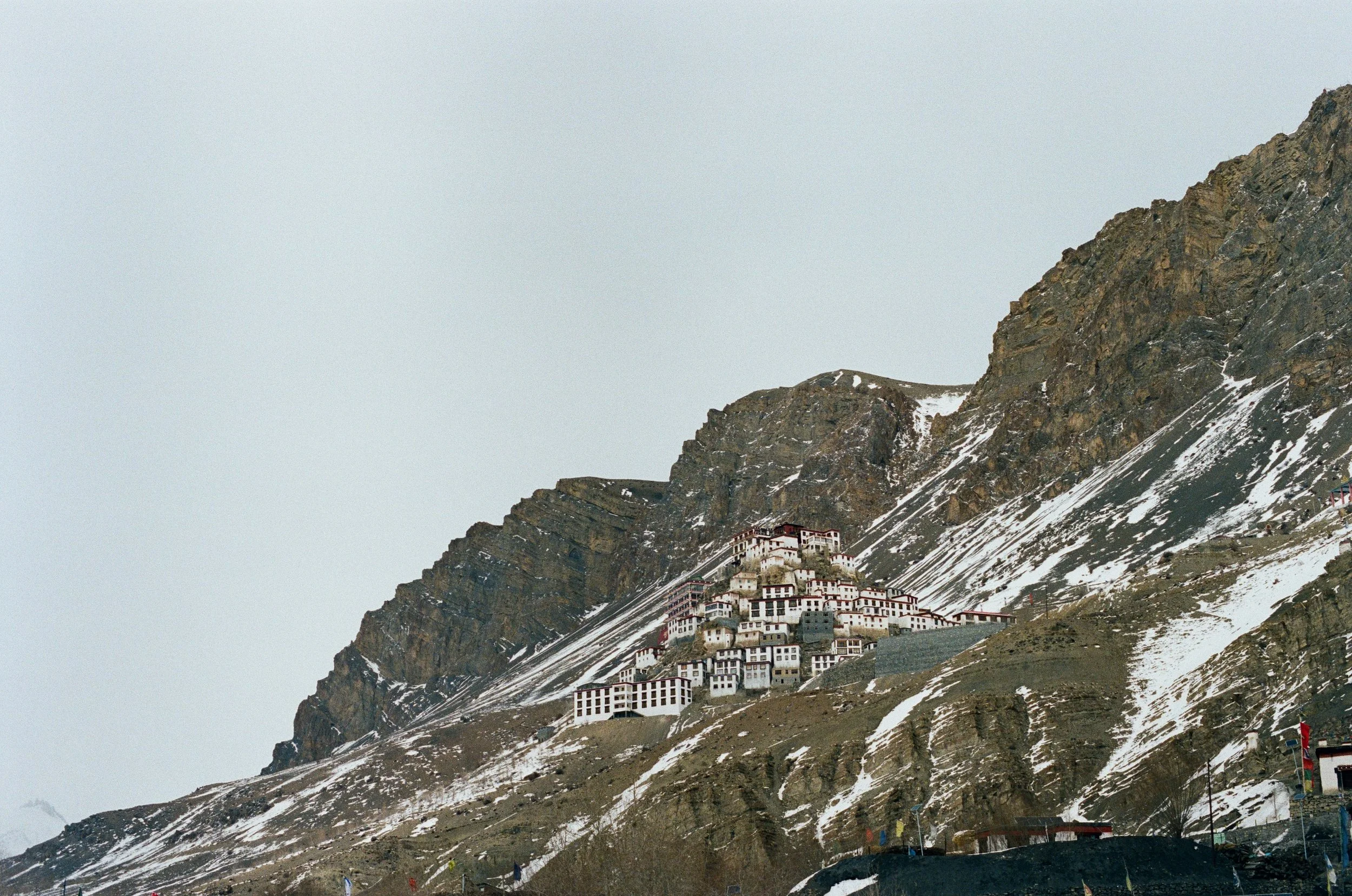
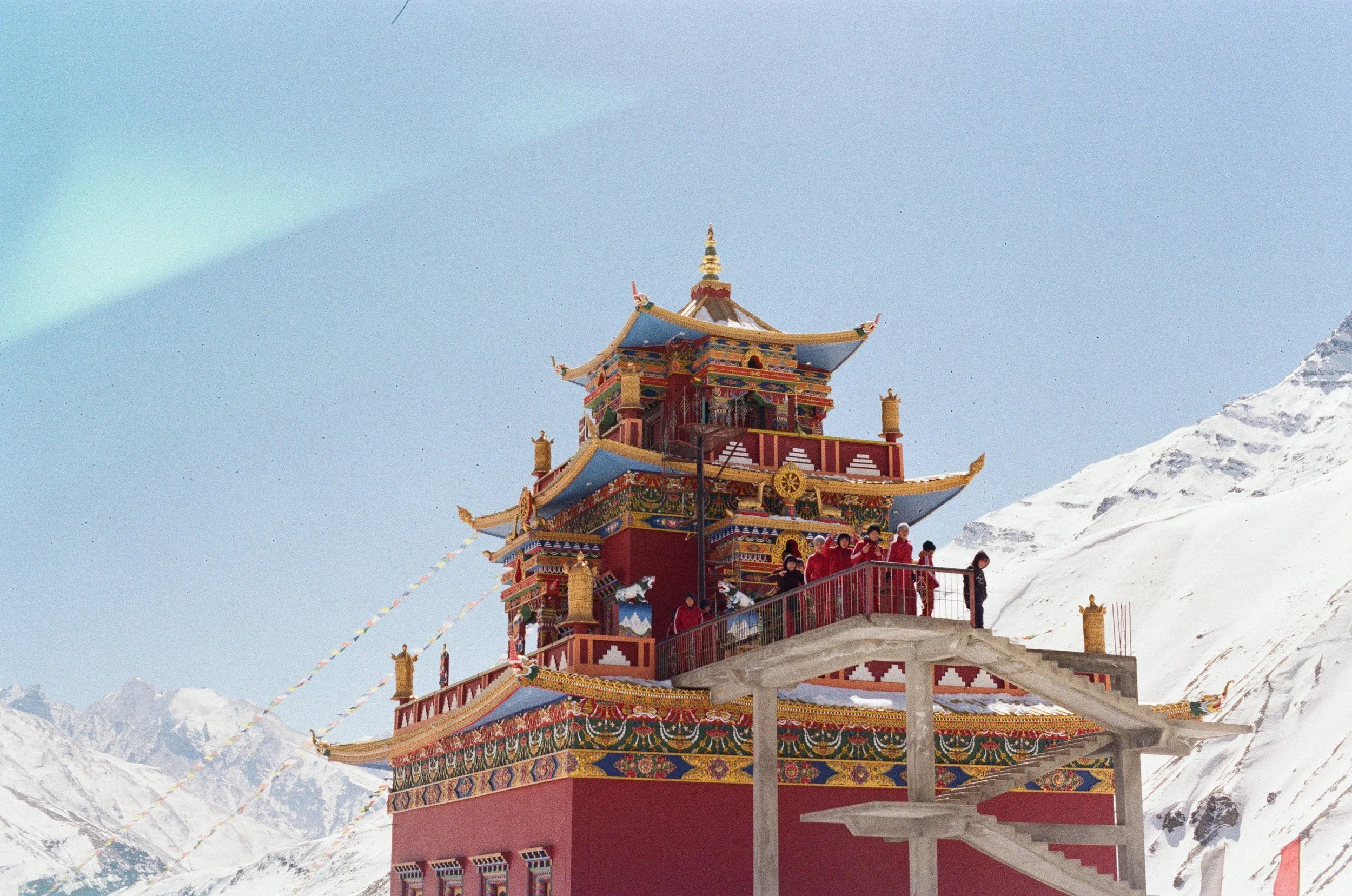
Kee Gompa, an iconic buddhist monastery in Kaza, where monks young and old still reside.
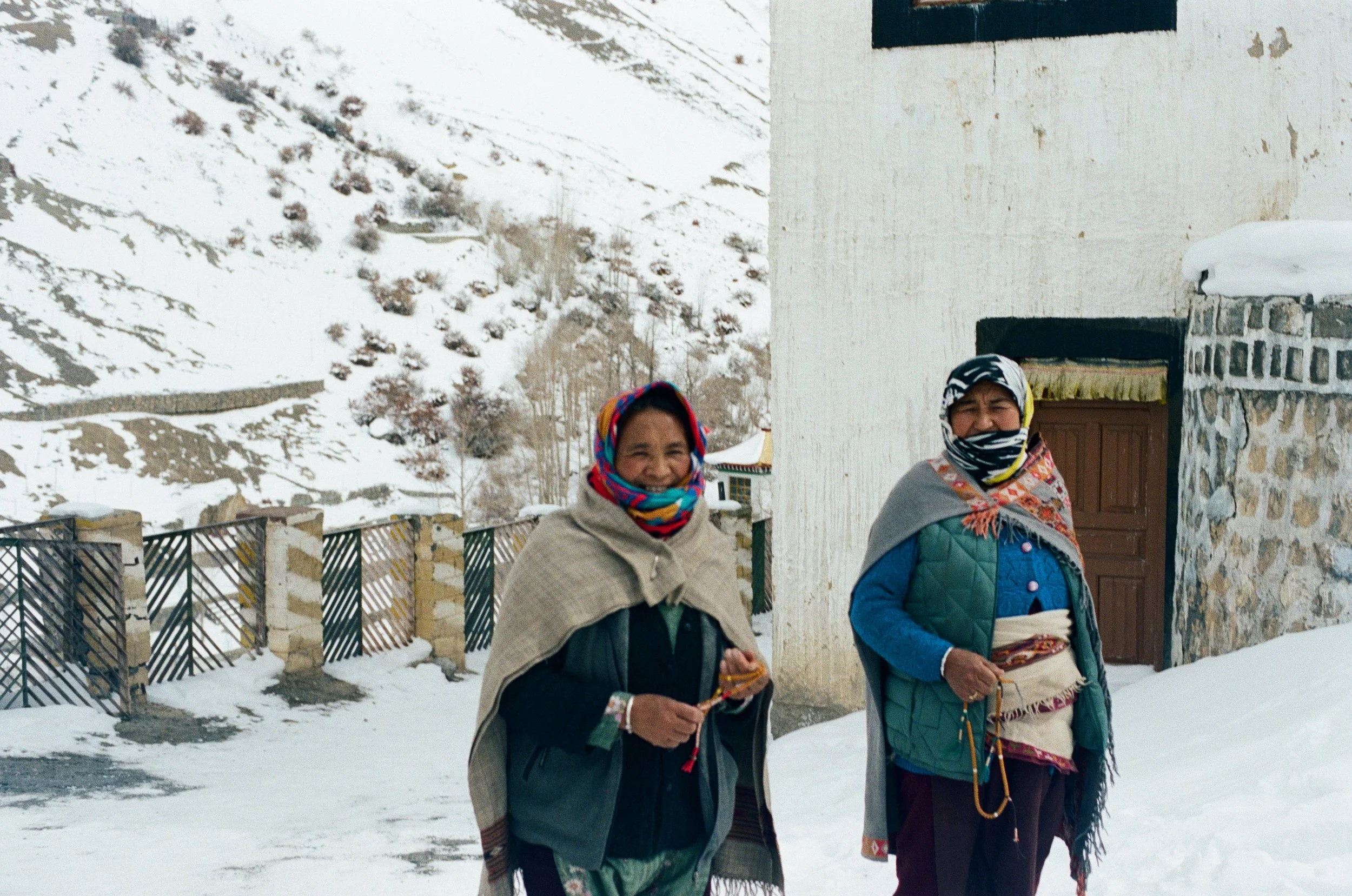
What do locals do in winter? Men engage in local businesses revolving around tourism — they might run a car mechanic shop, others have their own guiding/tourism business, some might be drivers, cooks. Women took care of affairs in the house: manage the livestock usually living together with them in the same house (fed them, collected their poo as fuel for the furnace), participated in prayer events at the local gompa, volunteered to care for neighbours’ kids.They were always busying themselves with work. Evenings were gathered around the furnace in our guide’s Takpa homestay, a traditional mudhouse that is owned by most Spitians.Mud houses retain heat much better than cement houses. Uncle Phuntsok (our chef and Takpa’s relative) made us generous servings of Yak soup, a delicacy eaten during winter to warm the body.It was probably that, the mudhouse, the conversations, the furnace — evenings in Chicham were always filled with warmth and easefulness.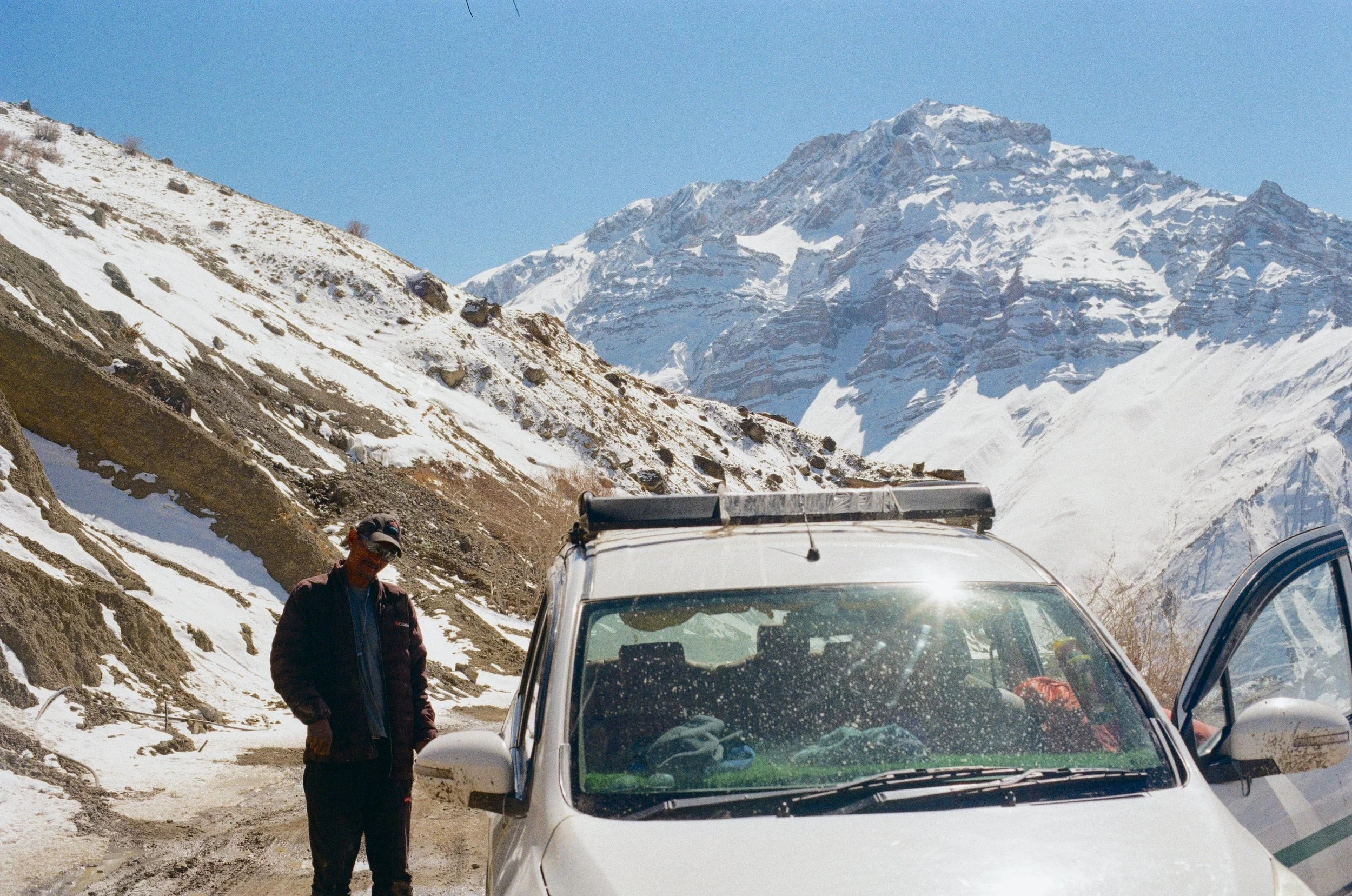
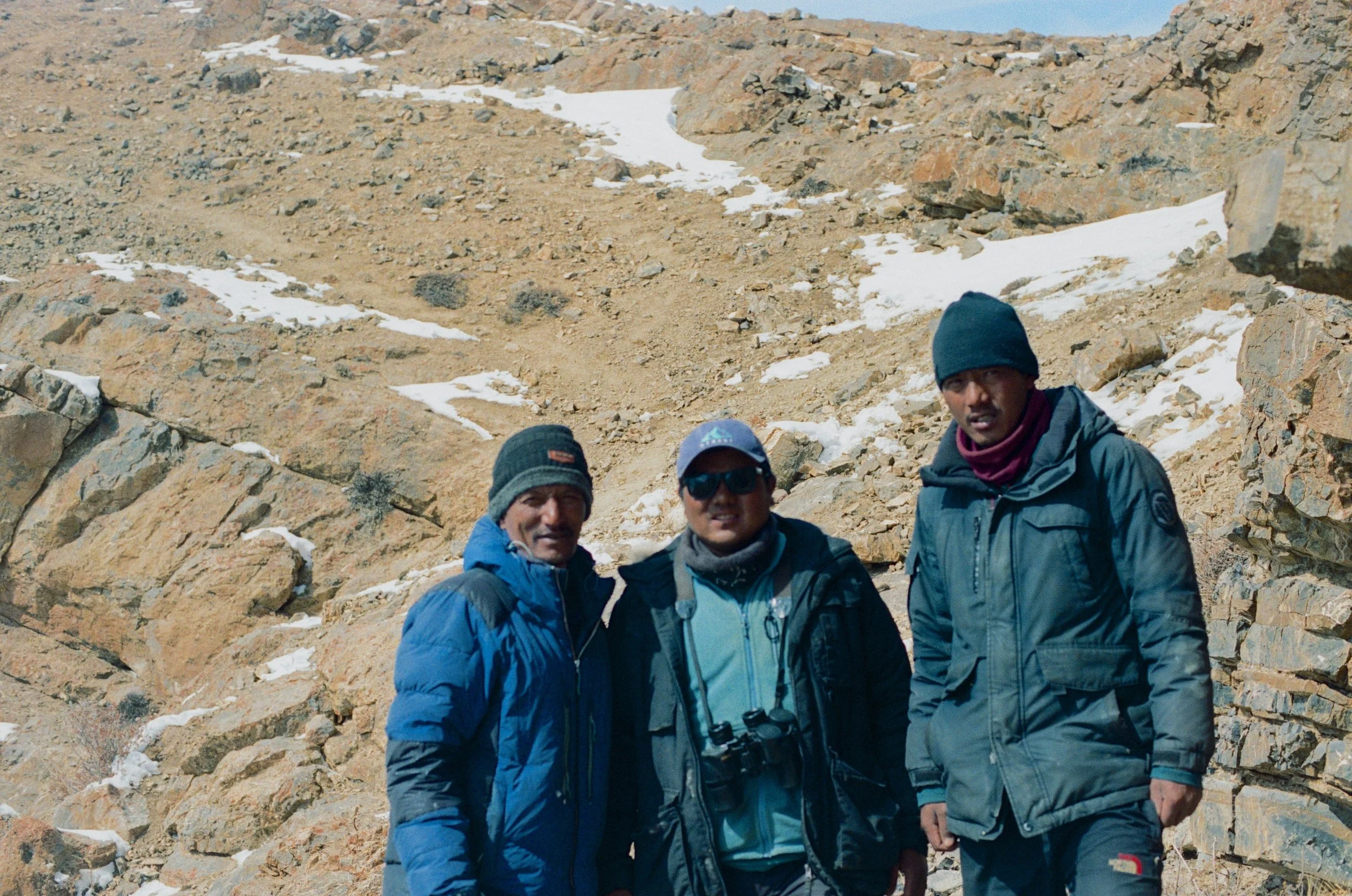
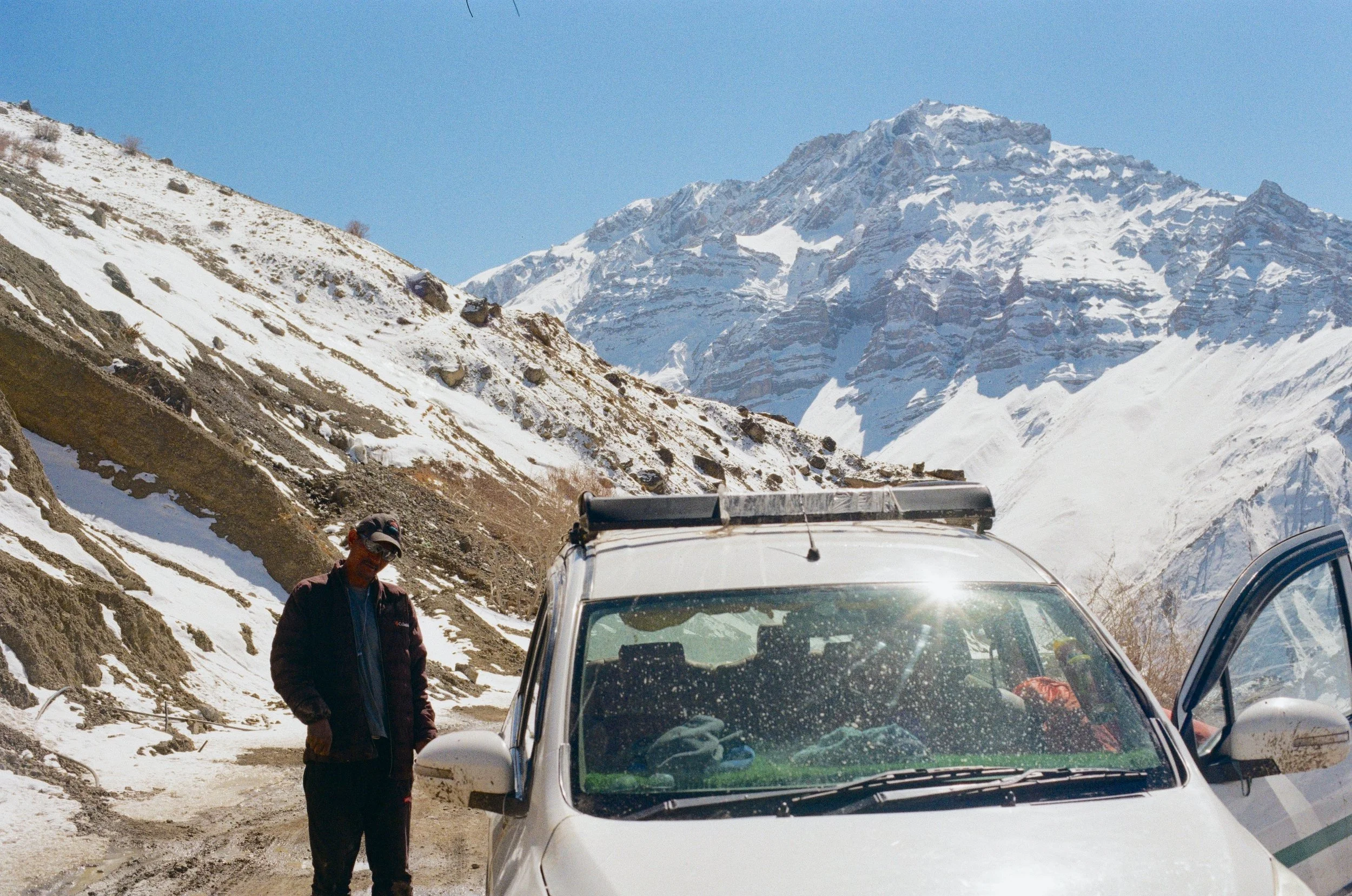
Takpa-ji — our guide, driver, cook, snow leopard guardian, self-made entrepreneur, basically an all-in-one renaissance man. He has three daughters who are schooling in the state. We got chatting and asked him what he would do if he had a million dollars, one of those cliche questions, he said he wanted to build a library in the village where kids could come to read and learn.
I like how the family prioritises helping each other out. Our guide Takpa was busy with our group, so his brother volunteered to drive his daughter back to boarding school in Dharamshala, a four-day roundtrip. Random strangers helping each other to get their cars out, to shovel the snow, group cooperative making handicraft and splitting the profits, everyone like a brother or a sister. The sharing economy makes me believe in an alternative way of life and reflect upon my own— how far and embedded in capitalism have our lives become that everything seems transactional. Perhaps prompted by the environment to share and look out for each other?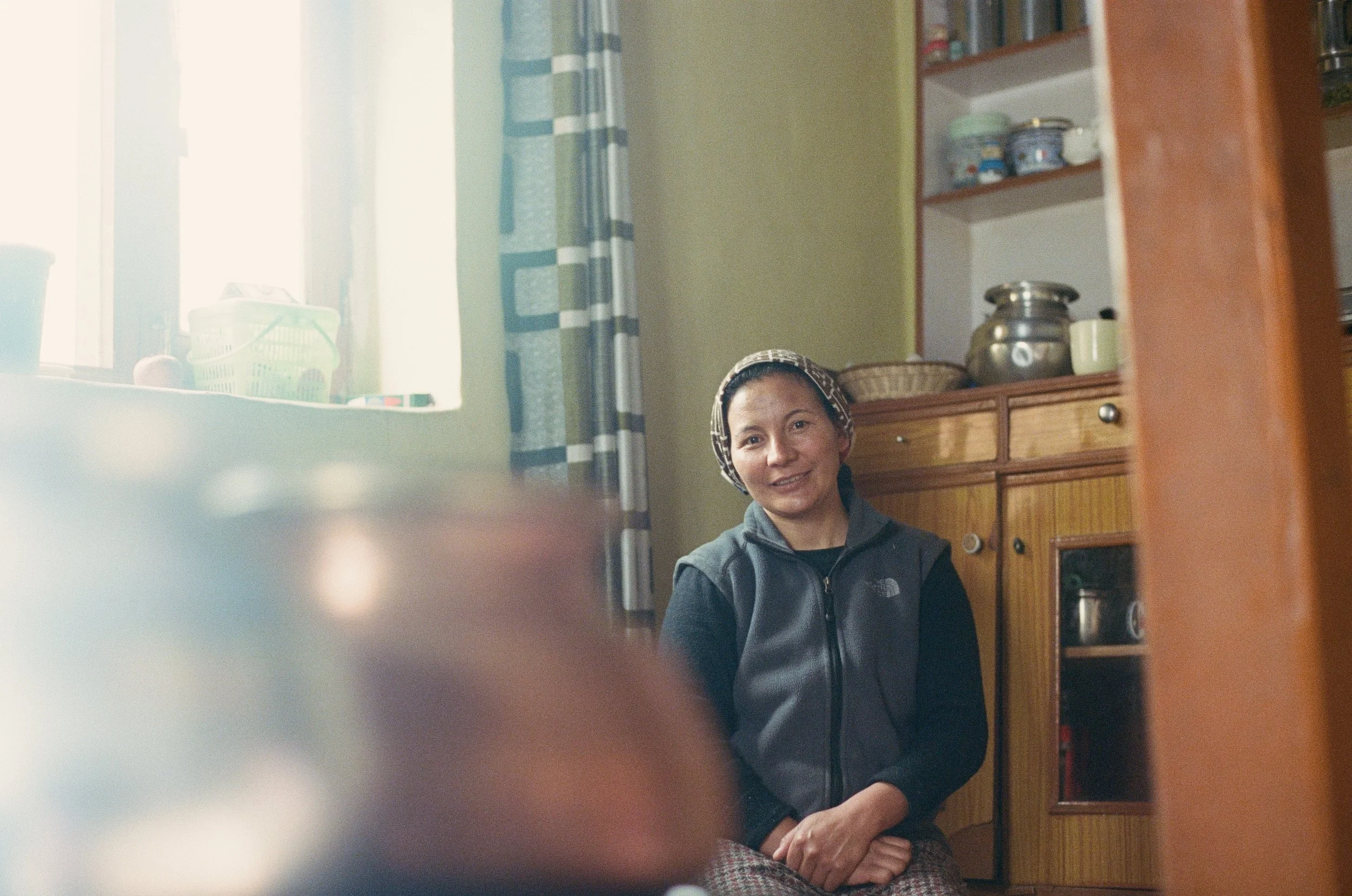
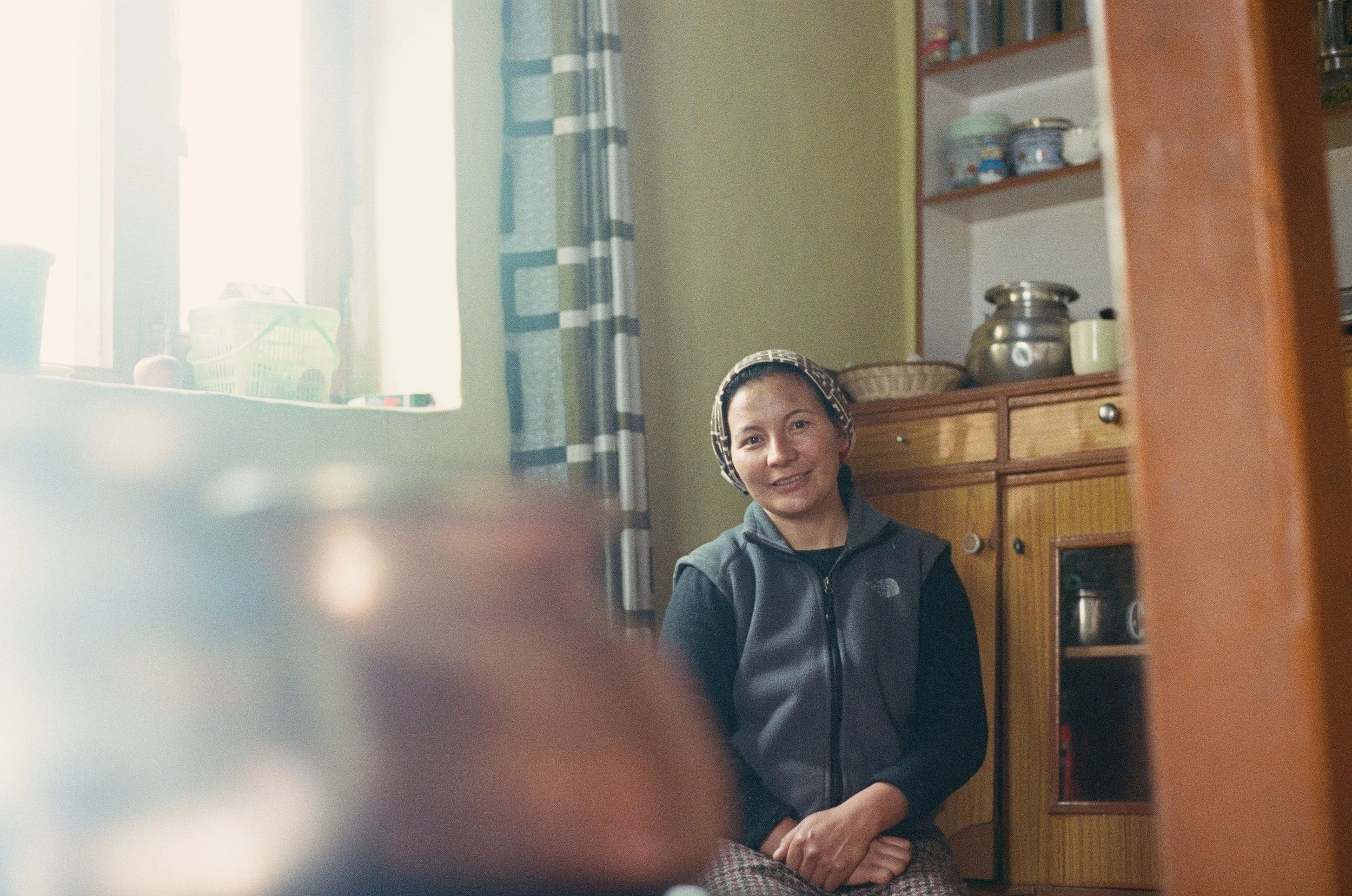
Dolma didi from Kaza village. Modern day boss babe who single-handedly raised two boys herself and runs a homestay. One of her sons enrolled as a monk in a local monastery and another was a ice hockey prodigy. We had just finished a local Tibetan/Spitian breakfast of Tsampa (barley), butter, sugar and butter tea. Dolma didi watched us attentively from the corner, by her little makeshift stove kitchen, refilling brass pots with hot water. Nothing was spoken between us, but in that moment, in the sun-lit room, everything sparkled. Dolma-didi’s face lit up beautifully in the sun.
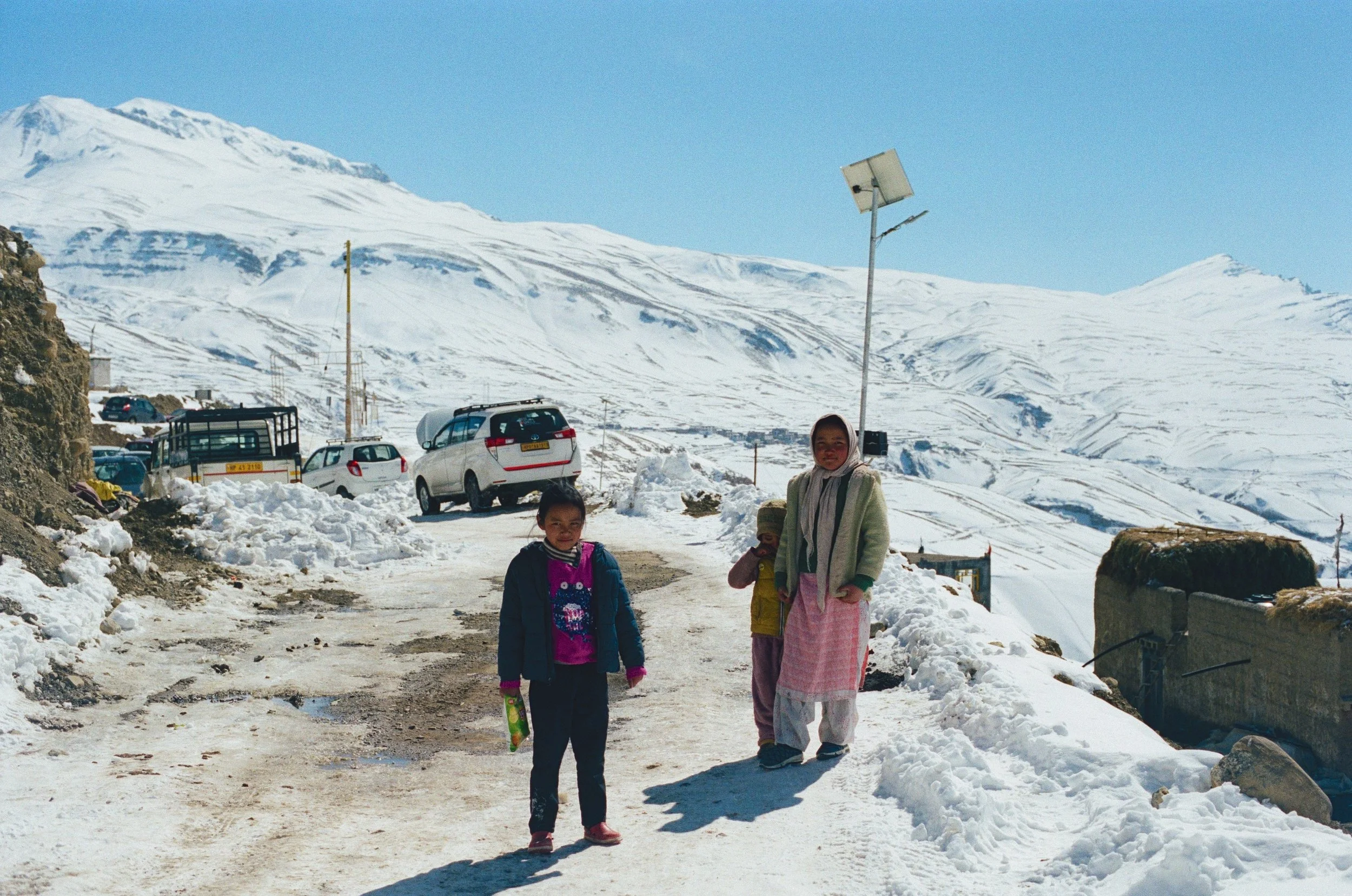
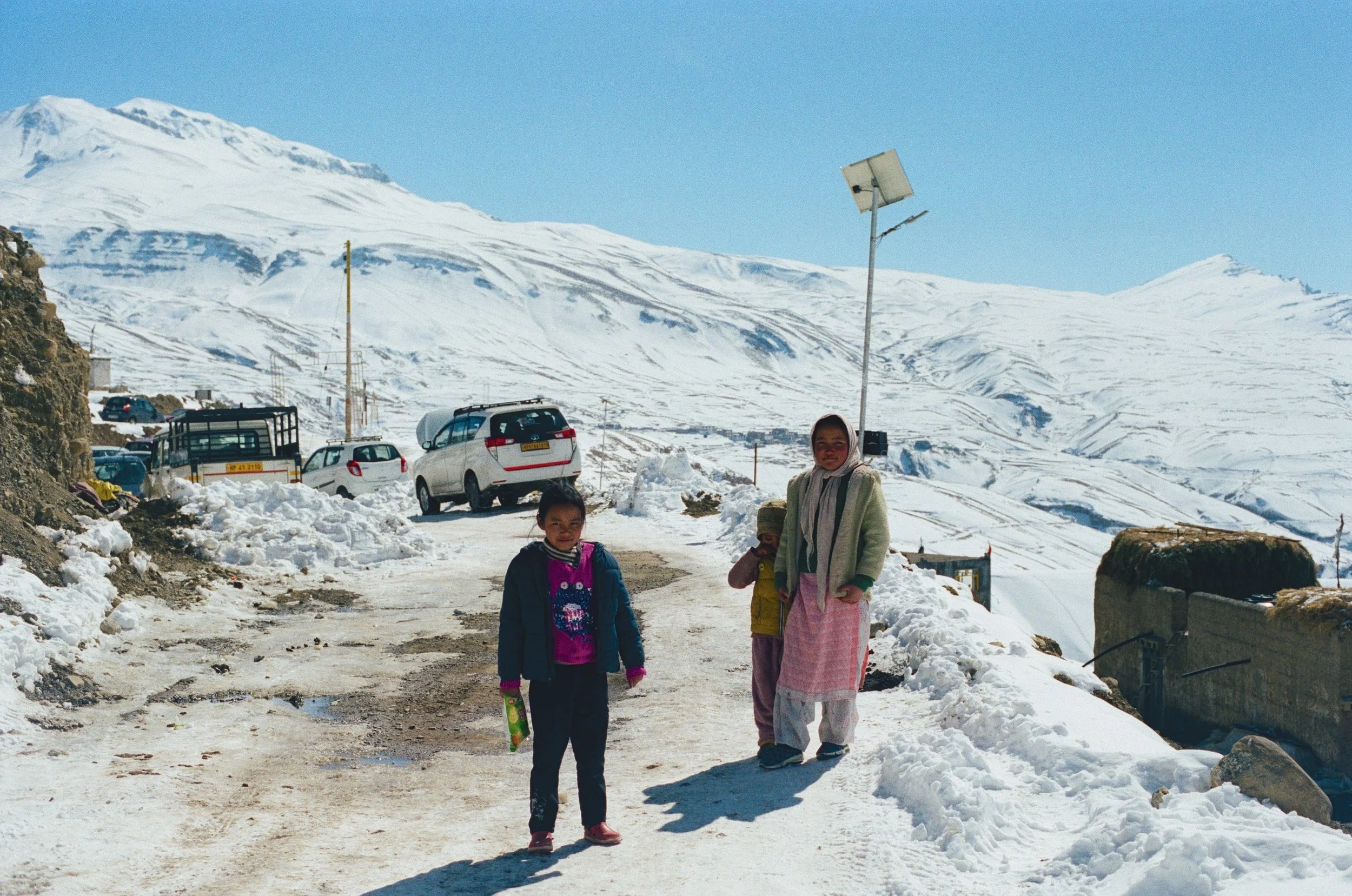
Girls at Chicham village. They were sliding around on the ice when we met each other. We gave them our bag of chips. According to Padma-ji, at the village only three things were available: chai, cigarettes and maggie. Everything else had to be brought in from the nearby town (Kaza).
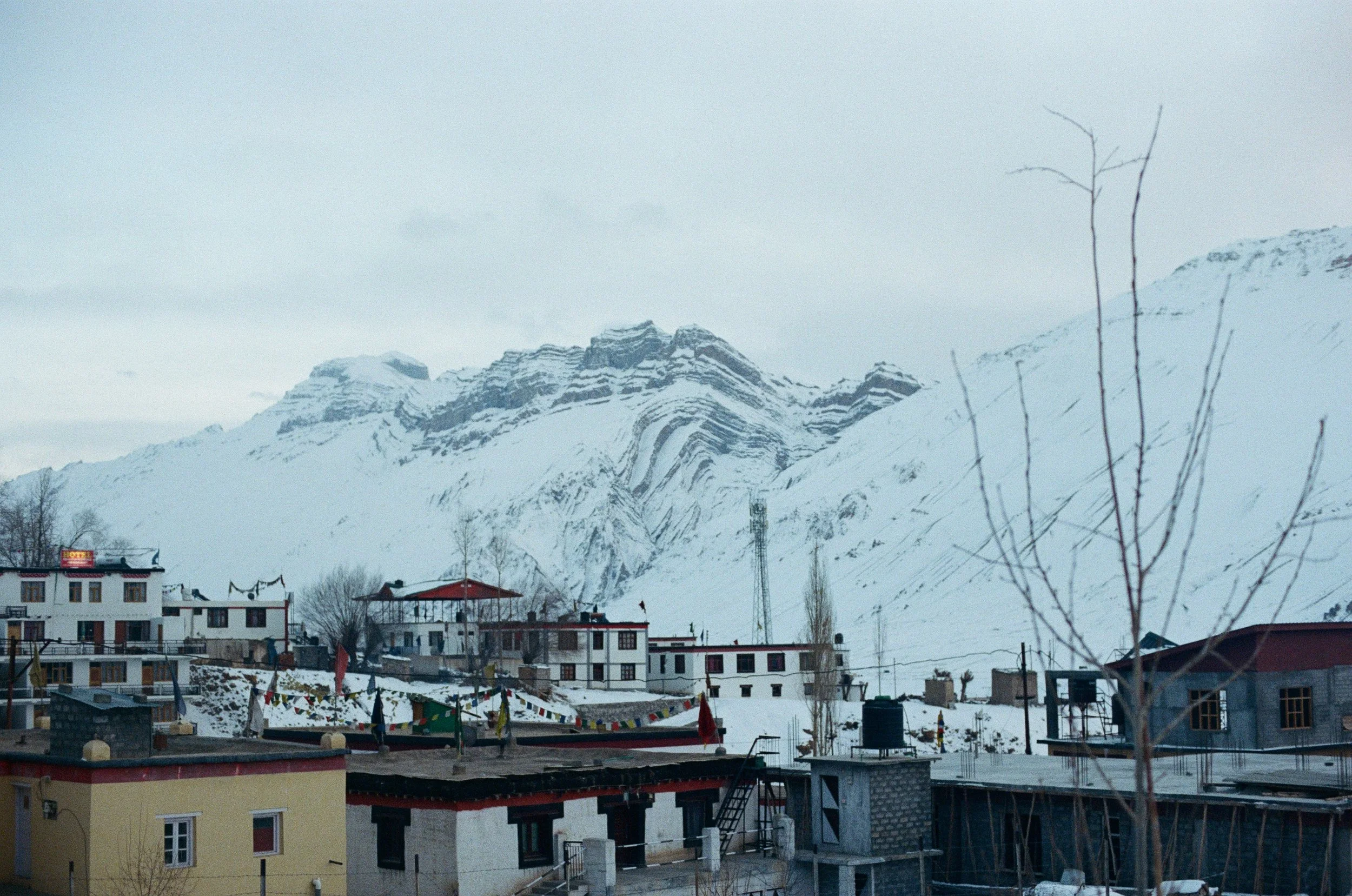
Kaza town, a 45-mins drive from Chicham on good weather and roads, which was also where the school, clinic and local shops are.
In a place like Spiti valley, where conditions are so tough, the concept of every person for themselves seems non-existent. Nature reveals the best of humanity perhaps. Could it be that having too much corrupts us, but yet having not enough makes us trapped in our own agony, unable to see past today — what's that balance then?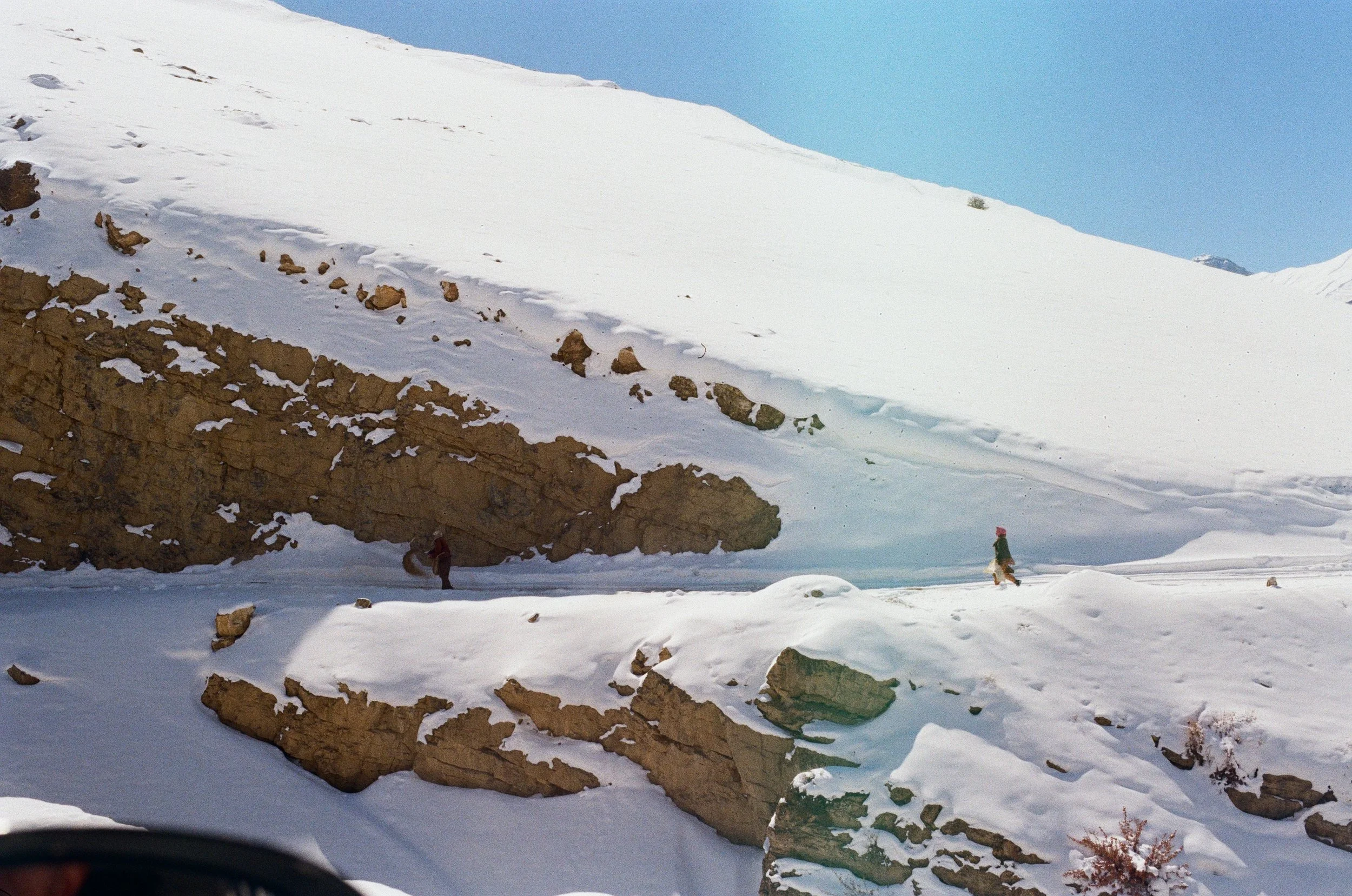
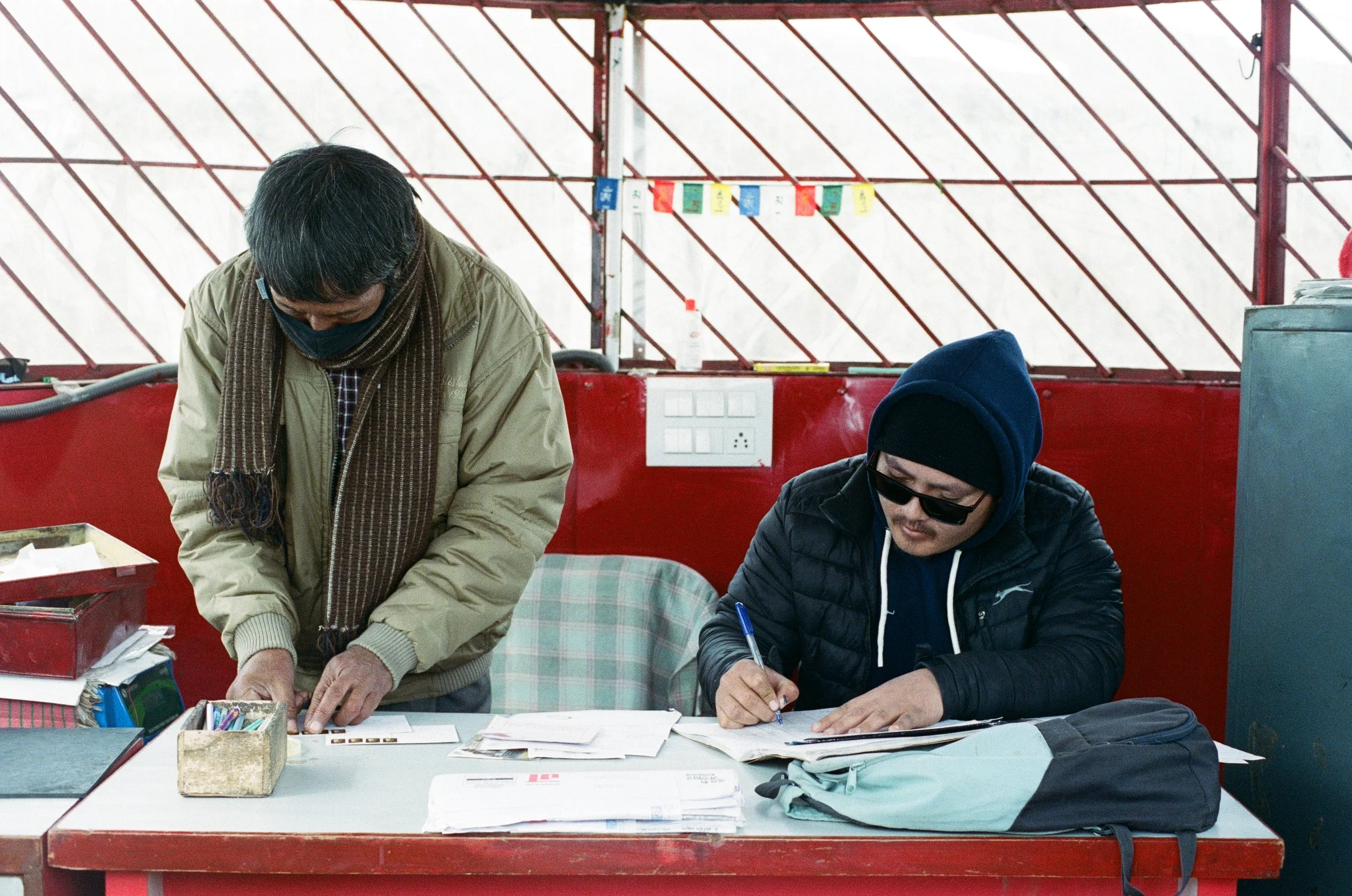
Workers from the Border Road Organisation (BRO) working tirelessly to pave and mend roads often under really harsh conditions — speeding vehicles, fumes from cement, and toddlers on their back. Deforestation to grow cash crops such as apples was prevalent, I witnessed villagers set fire to native forests to clear the land. With nothing to hold the soil together, landslides are a frequent occurence. With so much rhetoric about halting deforestation especially from the West, I wonder if that does not reek of neo-colonialism, especially if there is alternative livelihood option. Who is to deny another the chance to break the poverty circle?
At Spiti Valley, the word “Julley” is heard everywhere. It is the equivalent of “hello” “goodbye” in English and “tashi delek” in Tibetan. It is used as a greeting and farewell amongst people in Spiti valley, the connecting bridge between locals and tourists. Hobbling knee deep in snow, shovelling snow, asking strangers for direction? A super versatile word. 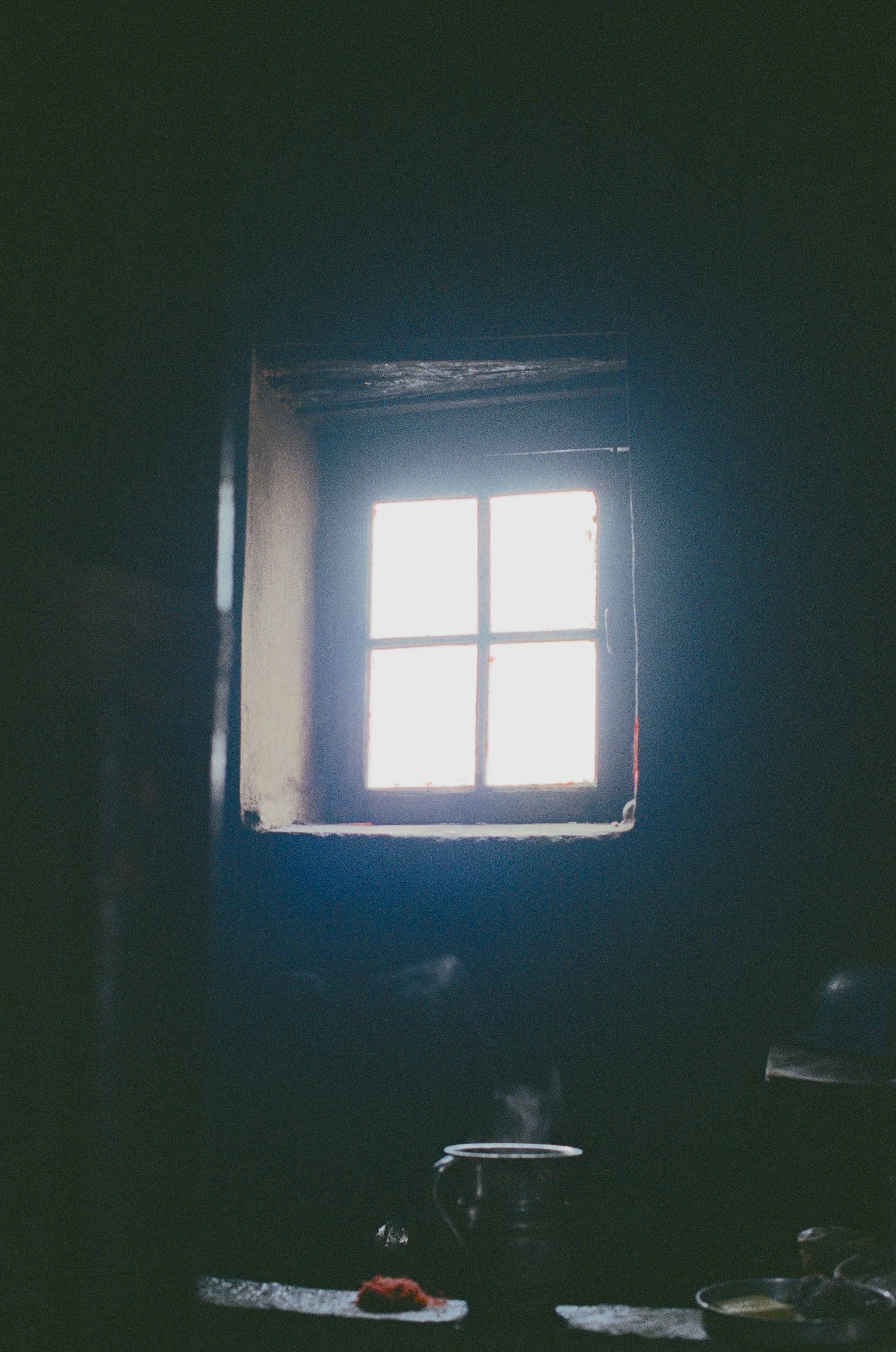
Many warm cups of chai and sea buckthorn to keep the chills and altitude sickness away — from my stool in the monastery’s kitchen. It was a moment of connection — drinking chai made by a group of kind aunties who appeared behind us, served us bread, and demanded rather insistently that we finish the last of their delicious homemade chutney. As quickly as they came, they left without us noticing either, even before we could get their names or say thank you.
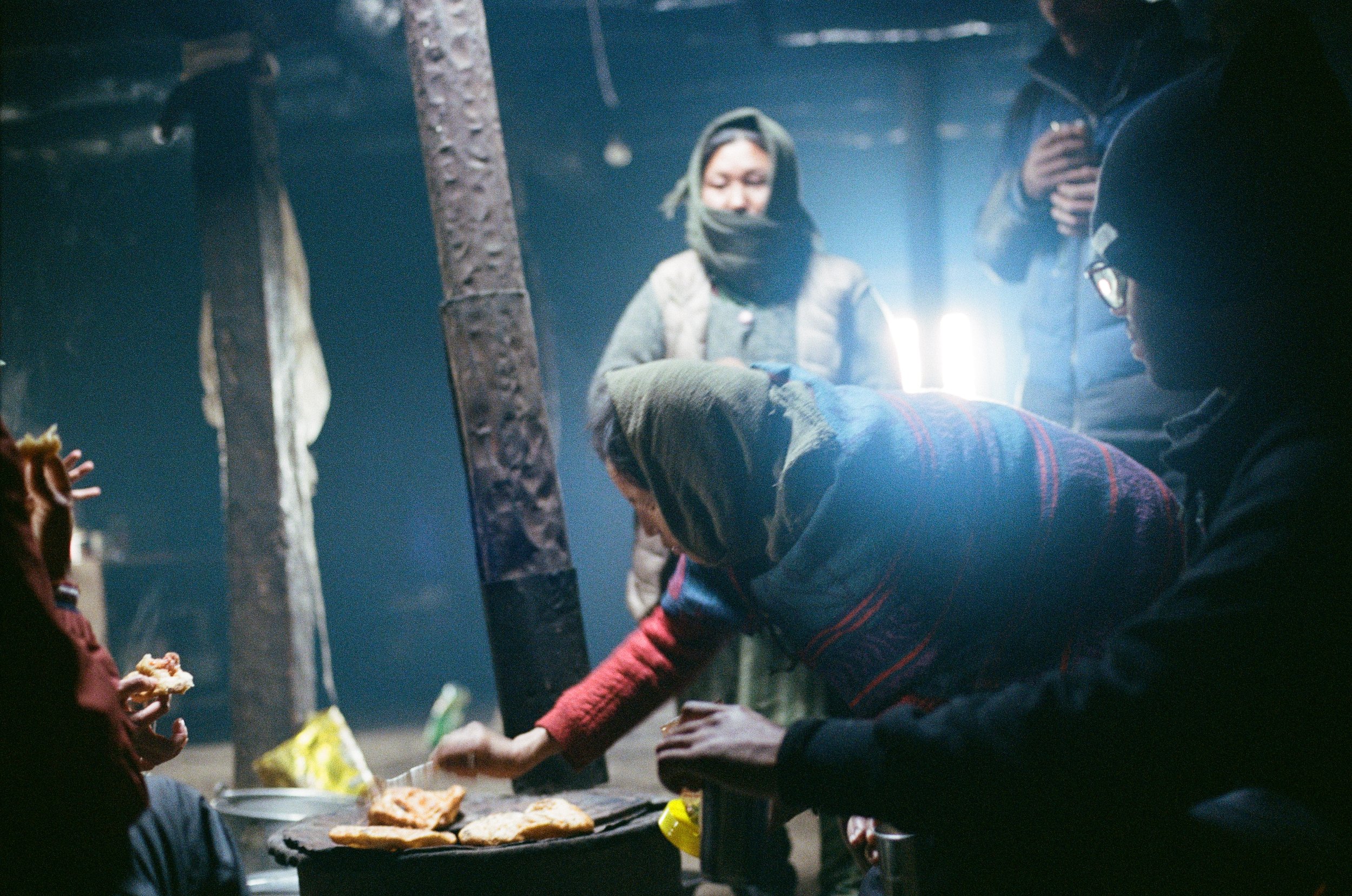
I am moved by the kindness of strangers. For example, the kitchen manager at Kee gompa below, he has got one more year of service left, before he would move on to another area of work. He spoke animatedly about having visited and worked inSingapore with one of the tibetan monasteries. We were lucky to receive butter tea because the monastery was celebrating Losar (Tibetan New Year) and butter tea was offered up to the Buddhas.
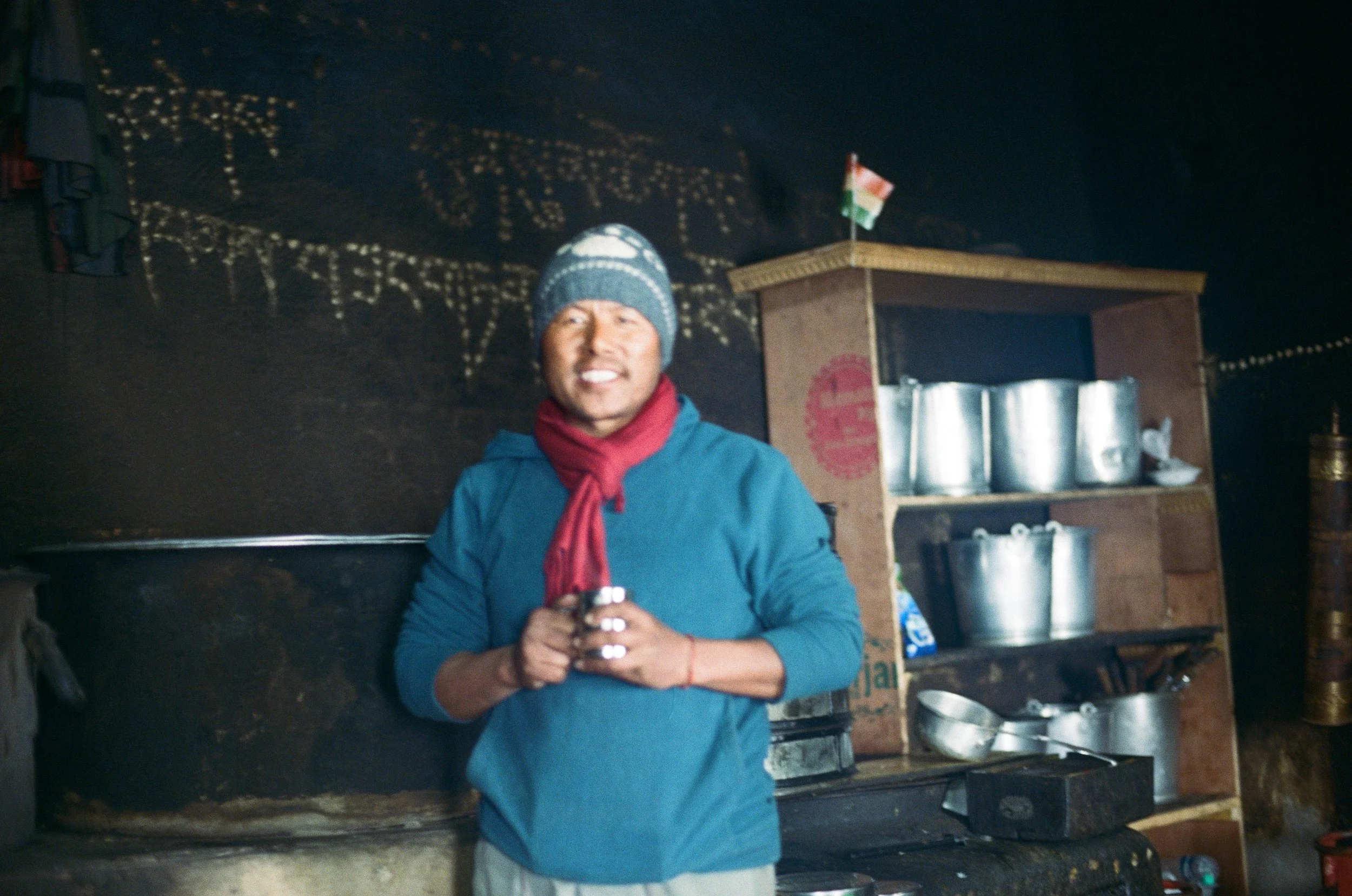
Kitchen manager standing in front of his huge cauldron of butter tea and beside metal pails where butter tea would be served to monks in the monastery.